


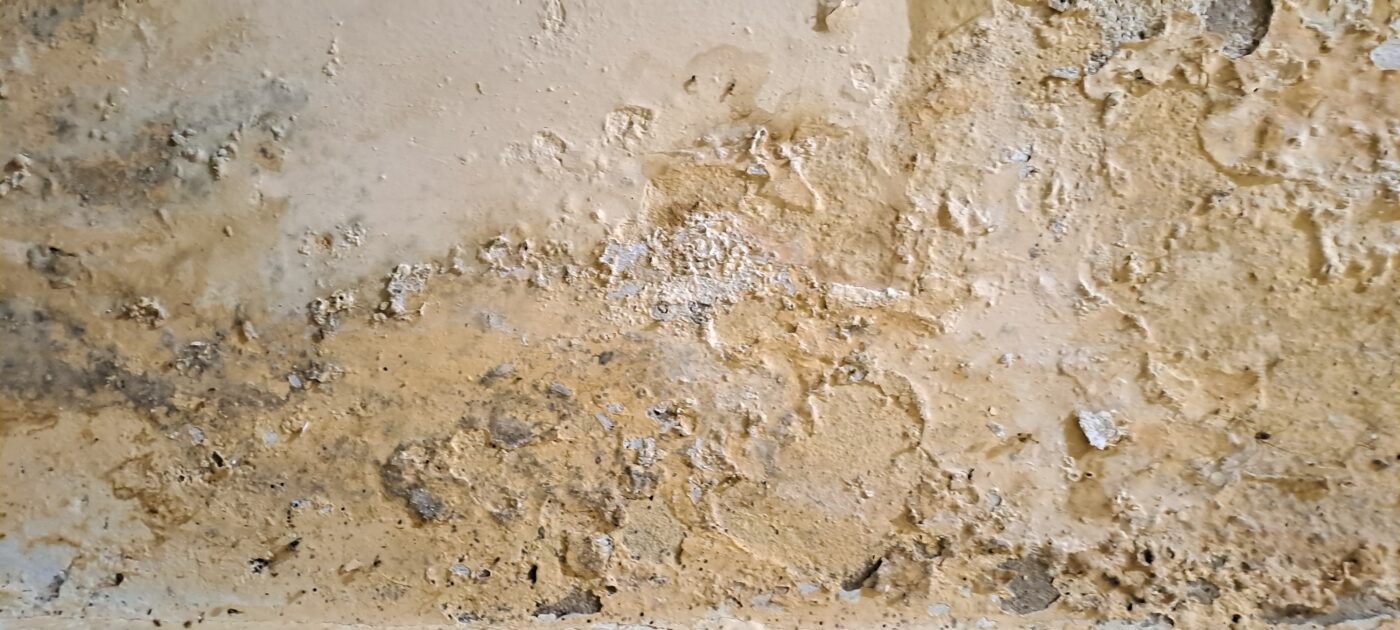
Many Irish homeowners notice moisture at the bottom of walls and assume it is rising damp. However, this is one of the most commonly misdiagnosed moisture issues in Ireland. Before choosing any rising damp treatment, the safest and most cost-effective first step is to book professional damp surveys carried out by a qualified surveyor.
Rising damp is one of the most misunderstood moisture problems, and because its symptoms can look similar to other types of damp, homeowners often struggle to identify it early. This article breaks down what rising damp actually is, why it happens, what it looks like, and how it’s properly treated.
What Rising Damp Means
Rising damp occurs when groundwater travels upwards through the porous materials of a building — usually stone, brick, mortar, or blockwork. This upward movement happens through capillary action, the same process that makes a sponge soak up water.
In a normal, well-protected structure, a damp-proof course (DPC) blocks this upward movement. However, when that barrier is missing, damaged, or bridged, groundwater can enter the walls and gradually rise from the ground floor level up to about one metre high.
Because the issue originates from the ground, rising damp is most commonly found on the lower portion of walls, near skirting boards, or behind furniture placed against exterior walls.
What Causes Rising Damp?
Rising damp always indicates a problem with the home’s moisture protection, usually related to the damp-proof course. The most common causes include:
1. Absence of a Damp-Proof Course
Many older Irish homes were built before damp-proofing became a standard part of construction. If no DPC was installed originally, nothing prevents groundwater from being drawn upward.
2. Damaged or Deteriorated DPC
Even if a DPC was fitted, decades of settlement, movement, or general wear can weaken it. Once compromised, moisture begins to travel past it.
3. Bridged DPC
Sometimes the DPC is intact, but something creates a “bridge,” allowing moisture to bypass the barrier. Examples include:
- Soil or paving raised too high around the home
- Internal plaster or render sitting below external ground level
- Renovations that altered floor levels or external landscaping
4. High Ground Saturation
In Ireland’s damp climate, persistent rainfall or poor drainage around the house can increase the moisture load on walls, worsening rising damp when a DPC is already weakened.
To confirm the exact cause and avoid expensive guesswork, professional damp surveys are strongly recommended.
How Rising Damp Appears in Your Home
Rising damp typically presents in very specific ways. The key signs include:
Visible Tide Marks
Brown or yellowish stains appear on the lower portion of internal walls, usually up to 1 metre high.
Salting (Efflorescence)
As groundwater evaporates, it leaves behind white, powdery salts on the surface of walls or skirting boards.
Crumbling or Bubbling Plaster
The moisture and salts break down plaster, causing it to lift, blister, or become soft to the touch.
Peeling or Flaking Paint
Paintwork near the floor begins to blister or detach because the wall beneath cannot dry properly.
Damp, Musty Smells
Rising damp often creates odours due to trapped moisture and deteriorating materials.
Timber Decay
Skirting boards may warp, swell, or rot, especially if moisture levels have been high for an extended period.
Because these signs can look like condensation or penetrating damp, people often misjudge the problem — which is why professional diagnosis is so important.
Why Rising Damp Needs to Be Treated Quickly
Left untreated, rising damp can cause:
- Structural damage to walls
- Long-term deterioration of plaster
- Increased heating costs due to cold, wet walls
- Health concerns from mould growth
- Decaying skirting boards and floor timbers
Worse still, rising damp does not resolve itself. If the underlying cause remains, moisture will continue to rise through the walls indefinitely.
This is where proper rising damp treatment becomes essential. The purpose of treatment is to stop moisture at its source and restore the wall to a stable, dry condition. However, no treatment is effective unless it is based on an accurate diagnosis from a qualified surveyor.
How Rising Damp Is Treated
A specialist’s recommended treatment depends on the cause and severity, but usually involves:
Installing a New Damp-Proof Course
A chemical DPC is injected into the base of the wall to form a new barrier that stops moisture rising.
Removing Salt-Contaminated Plaster
Even after moisture is blocked, salts remain active and can continue causing damage. Removing and replastering is essential.
Adjusting External Ground Levels
If soil or paving is too high, lowering it helps restore the effectiveness of the DPC.
Improving Ventilation
Good airflow helps walls dry out more effectively once treatment is complete.
Each home requires a tailored solution, which is why a proper inspection — including accurate moisture readings, salt analysis, and external checks — is crucial.
Rising damp is the upward movement of groundwater through your walls due to a failed or bridged moisture barrier.
With the right assessment and treatment, it can be permanently resolved, restoring your home’s health, comfort, and structural stability.
The most important step you can take is to invest in a professional diagnostic survey. This prevents costly misdiagnosis, ensures you receive the correct treatment, and protects your home from long-term damage.
