






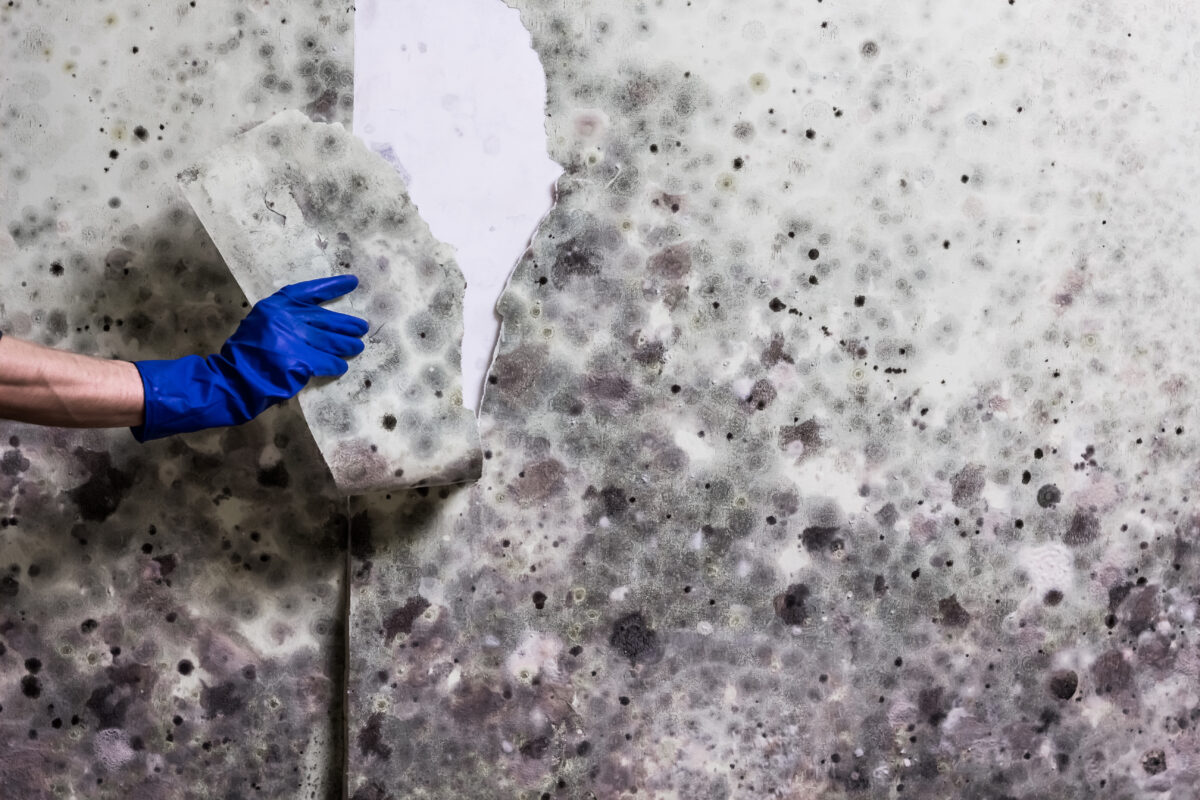
Mould is not a slow-moving problem. Once moisture is present, mould growth can begin far sooner than most people expect, which is why timely mould removal and proper diagnosis are so important. In many Irish homes, mould spreads rapidly because the underlying damp issue has not been identified early through professional damp surveys, allowing moisture to persist unnoticed.
At Damp Doctor, we regularly see homeowners who assumed mould was a minor issue, only to discover later that it had spread behind walls, ceilings, and floors. Understanding how quickly mould spreads, and why, is key to preventing unnecessary damage, health risks, and repeat treatment costs.
Introduction to Mould
Mould is a type of fungus that grows indoors when moisture levels are high enough to support it. It commonly develops in damp or water-damaged areas and spreads through microscopic spores released into the air. These spores travel easily through a building and can settle on new surfaces within hours.
Mould growth can occur on walls, ceilings, floors, furnishings, and even hidden structural elements. Excess moisture from leaks, condensation, flooding, or high humidity is the trigger. Without moisture control, mould will continue to spread regardless of how often it is cleaned.
Understanding the conditions that promote mould growth is essential for preventing it. While surface cleaning may temporarily improve appearance, it does not stop mould from spreading if moisture remains. This is why professional assessment and remediation are often required, particularly when mould returns repeatedly.
Exposure to mould can also affect health. Symptoms range from mild irritation to more serious respiratory issues, especially for children, older adults, and people with asthma or weakened immune systems.
Factors Affecting Mould Growth
Several factors work together to determine how fast mould grows and spreads indoors.
Moisture is the primary driver. Even small plumbing leaks, condensation on cold walls, or water ingress after heavy rain can provide enough moisture for mould to develop. High indoor humidity, particularly above 60%, creates ongoing risk.
Porous materials such as plasterboard, timber, carpet backing, and insulation absorb moisture easily. Once wet, they provide an ideal environment for mould to colonise and spread internally.
Indoor humidity levels play a major role. Poor ventilation in bathrooms, kitchens, bedrooms, and basements allows moisture to linger. Without adequate airflow, damp surfaces may never fully dry.
Organic material such as dust, dirt, paint films, and wallpaper paste act as food sources. Even clean-looking walls can support mould growth when moisture is present.
Poor ventilation and air circulation allow warm, moist air to sit against cold surfaces. This leads to condensation and creates the perfect conditions for mould to spread rapidly across walls and ceilings.
How Fast Does Mould Grow?
Under the right conditions, mould can begin growing within 24 to 48 hours of moisture exposure. This surprises many homeowners, but it explains why even short-term leaks or minor flooding can cause major problems if not addressed immediately.
Once spores settle on a damp surface, they start to colonise. If moisture, warmth, and food sources remain available, mould growth accelerates. In severe cases, visible mould can spread across a room within days.
Temperature and humidity significantly affect growth speed. Typical indoor temperatures in Irish homes fall well within the ideal range for mould, meaning growth can occur year-round. Poorly heated or intermittently heated homes may experience even faster spread due to cold surfaces and condensation.
Mould often grows in hidden areas first — behind plaster, under floors, inside ceiling voids, or behind furniture. This makes early detection difficult without professional help, and by the time mould becomes visible, it may already be widespread.
Mould Spread and Health Risks
Mould spreads primarily through airborne spores. These spores are lightweight and easily transported by air movement, allowing mould to colonise new areas far from the original source.
As mould spreads, the risk to health increases. Prolonged exposure can lead to:
- Respiratory irritation and coughing
- Worsening asthma symptoms
- Allergic reactions and sinus congestion
- Skin irritation and headaches
People with weakened immune systems are particularly vulnerable. Hidden mould is especially problematic because it can continue spreading unnoticed while releasing spores into indoor air.
Regular inspection of high-risk areas — such as bathrooms, external walls, and rooms with poor ventilation — helps catch mould early and limit spread.
Preventing Mould
Preventing mould growth focuses on controlling moisture and acting quickly when problems arise.
Key prevention measures include:
- Keeping indoor humidity between 30–50%
- Using extractor fans in bathrooms and kitchens
- Improving air circulation and ventilation
- Repairing leaks promptly
- Drying wet materials within 24–48 hours
Dehumidifiers can help manage humidity, but they should not be used as a substitute for fixing the underlying cause of dampness. If moisture continues to enter the building fabric, mould will keep returning.
A proactive approach — including regular inspections and maintenance — is far more effective and less costly than repeated clean-ups.
Professional Remediation Services
Professional mould remediation specialists play a crucial role when mould growth is extensive, recurring, or linked to hidden damp issues. Restoration companies can assess the full extent of the problem and identify the true source of moisture.
This is where professional mould removal makes a lasting difference. Treatment that follows accurate diagnosis is far more effective than repeated surface cleaning.
Specialists also advise on long-term prevention, helping homeowners avoid future mould problems and protect indoor air quality.
Mould Removal Techniques
Mould removal methods vary depending on severity and surface type. Professional remediation typically involves:
- Containment to prevent spore spread
- Safe removal of contaminated materials
- Cleaning and sanitising affected surfaces
- Moisture control using dehumidifiers and ventilation
Specialist equipment such as air scrubbers and HEPA filtration systems may be used to improve air quality during treatment. The goal is not just to remove visible mould, but to prevent regrowth by addressing moisture conditions.
Understanding How Mould Spreads
Mould can spread in several ways: through airborne spores, direct contact with contaminated materials, and even water movement within a building. Touching mouldy surfaces or moving contaminated items can transfer spores to new locations.
Understanding these pathways highlights why improper DIY cleaning can sometimes make the problem worse by dispersing spores throughout the property.
Preventing Mould with Air Circulation
Good air circulation helps surfaces dry and reduces condensation risk. Ventilation systems, extractor fans, and regular airflow prevent moisture buildup and limit spore settlement.
Ensuring vents and fans are working properly is a simple but essential step in mould prevention.
A Proactive Approach to Mould Prevention
Mould prevention requires ongoing attention to moisture control, ventilation, and building maintenance. Regular inspections help identify issues early, before mould has time to spread.
When mould appears repeatedly or spreads quickly, it is often a sign that the true damp cause has not been identified. In these cases, starting with professional damp surveys saves time, money, and frustration by ensuring the right solution is applied from the outset.
By understanding how quickly mould spreads and taking proactive steps, homeowners can protect their health, their property, and their peace of mind.
