






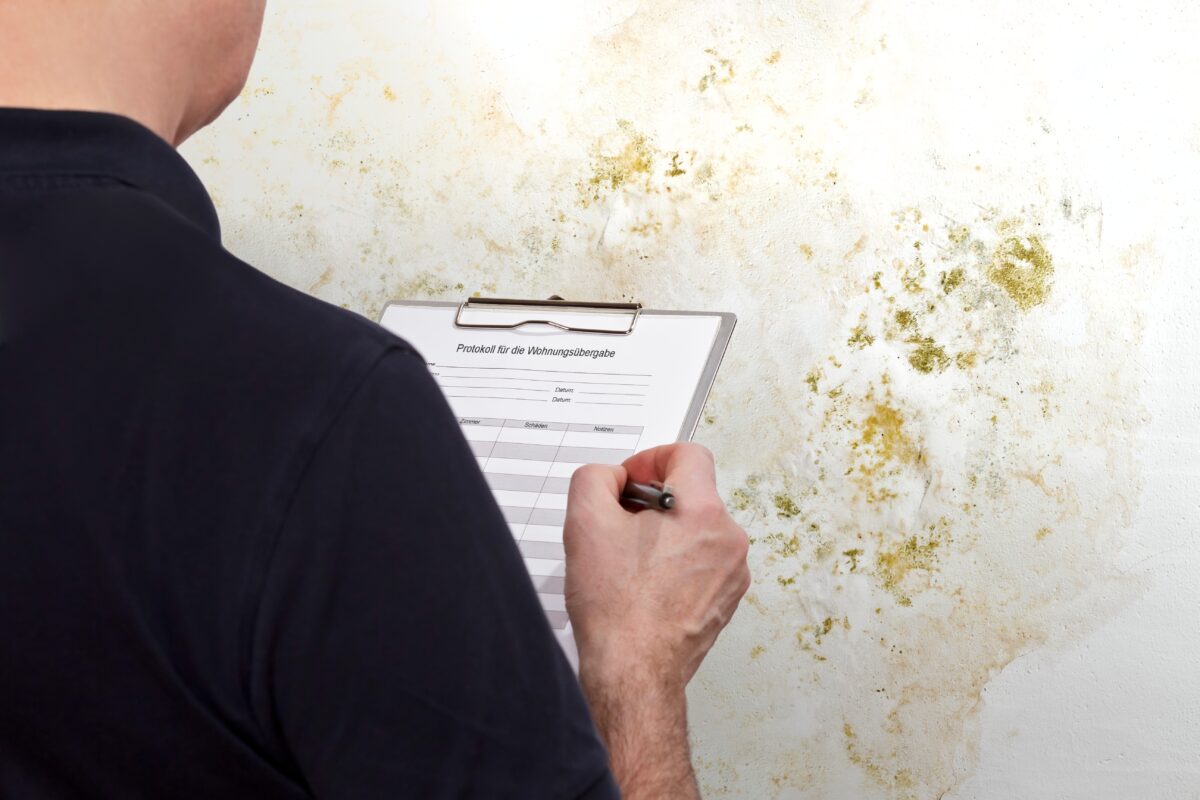
Mould problems rarely start with mould itself, they start with moisture that has been misdiagnosed or ignored. Effective mould removal only works when the true damp source is correctly identified from the outset, which is why professional diagnosis is essential rather than optional.
At Damp Doctor, many customers contact us after already spending thousands of euros on incorrect solutions, only to discover that the original cause was never properly identified. This is why we consistently recommend starting with professional damp surveys before any treatment is carried out.
Key Takeaways
- Mould is almost always a symptom of an underlying damp issue — not the root problem itself
- Many Irish homeowners come to Damp Doctor after costly misdiagnoses that failed to solve the issue
- Professional damp surveys identify the exact moisture source so the correct solution is applied once
- Treating mould without diagnosis often leads to repeated regrowth, wasted money and frustration
- Investing in a diagnostic survey at the beginning saves time, money and unnecessary disruption
What Is Mould and Why It Grows in Irish Homes
Mould is a living fungus that thrives in damp, stagnant air environments. In Ireland, it is especially common in homes built before modern insulation and ventilation standards were introduced, particularly properties built prior to 2000.
Ireland’s climate creates ideal mould conditions:
- Frequent rainfall and persistently high humidity
- Cold external walls and poor insulation
- Limited airflow in bedrooms, bathrooms and rental properties
- Older windows without ventilation features
Mould is commonly found in bathrooms, north-facing bedrooms, window reveals, behind wardrobes and in ceiling corners. However, visible mould is rarely the true problem, it is simply the visible evidence of moisture trapped within the building fabric.
One of the most common (and costly) mistakes homeowners make is treating mould as a cleaning issue rather than a diagnostic one. Wiping mould away without identifying why moisture is present almost guarantees regrowth.
At Damp Doctor, we regularly see properties where multiple treatments have failed because condensation, penetrating damp or insulation defects were never properly identified. Early, professional diagnosis prevents this cycle entirely.
Health and Property Risks from Mould
Mould should never be dismissed as cosmetic. It affects both occupant health and the long-term condition of the building.
Health risks include:
- Persistent coughing and breathing difficulties
- Worsening asthma and respiratory conditions
- Sinus congestion, headaches and eye irritation
- Skin reactions and allergic responses
Children, older adults and those with respiratory conditions are particularly vulnerable. Certain mould types, including Stachybotrys (black mould), are associated with more severe symptoms when exposure is prolonged.
Property risks include:
- Breakdown of plaster and internal finishes
- Timber decay in window frames and doors
- Corrosion of metal fixings
- Persistent odours that reduce rental and resale value
In many Irish homes, mould damage only becomes expensive because diagnosis was delayed or incorrect. Properties that start with professional assessment typically require far less invasive and costly remedial work.
Why Professional Damp Surveys Must Come First
A professional damp survey is not an add-on — it is the foundation of a successful mould solution.
At Damp Doctor, a large proportion of clients contact us after failed treatments elsewhere, including:
- Repainting with “anti-mould” paint that quickly fails
- Installing fans without addressing insulation defects
- Repeated chemical cleaning while moisture remains in walls
A professional damp survey identifies why mould exists, not just where it appears.
What a proper damp survey assesses:
| Assessment Area | What’s Measured |
| Moisture levels | Wall, floor and structural moisture content |
| Ventilation | Airflow rates in key living areas |
| Thermal performance | Cold spots and condensation risks |
| Water ingress | Penetrating damp from external defects |
Without this diagnostic step, treatments are based on assumption rather than evidence — and assumptions are expensive.
Starting with a professional survey ensures the correct solution is applied once, rather than paying repeatedly for ineffective fixes.
3-Phase Professional Mould Removal Process
When mould removal follows proper diagnosis, it becomes far more effective and long-lasting.
Professional mould treatment involves three stages:
- Removal of visible mould
- Air and surface sanitisation
- Permanent correction of the moisture cause
This approach prevents recurrence and eliminates the need for repeat call-outs.
Phase 1 – Controlled Mould Removal
Visible mould is removed using methods that prevent spore spread:
- Specialist biocidal treatments rather than household bleach
- Controlled cleaning to avoid airborne contamination
- Safe removal of severely damaged materials where necessary
This stage treats the symptom, not the cause, which is why it must never be done in isolation.
Phase 2 – Air Treatment and Spore Control
Mould spores remain airborne long after surfaces look clean.
- Fogging treatments neutralise spores in hard-to-reach areas
- Odours are eliminated at source, not masked
- Air quality typically improves immediately
This prevents rapid regrowth after surface cleaning.
Phase 3 – Prevention Based on Diagnosis
This is where long-term success is achieved.
Based on the survey findings, prevention may include:
- Ventilation upgrades
- Insulation improvements
- External sealing and moisture ingress repairs
- Behavioural guidance to reduce internal humidity
Midway through any remediation plan, revisiting professional mould removal advice ensures treatments remain aligned with the diagnosed cause rather than generic fixes.
DIY vs Professional Mould Removal: A Cost Reality Check
DIY mould cleaning often appears cheaper. Until it fails.
DIY may be suitable for very small, surface-level areas. However, recurring mould, black mould, or widespread growth almost always indicates an underlying damp issue that DIY cannot diagnose.
Many Damp Doctor customers come to us after multiple failed DIY attempts, frustrated, out of pocket and no closer to a solution. A professional diagnostic survey at the start would have prevented this entirely.
Choosing the Right Specialist in Ireland
When selecting a provider, prioritise diagnosis over promises.
Choose companies that:
- Offer or recommend professional damp surveys
- Explain findings clearly before proposing treatments
- Provide written reports and long-term prevention advice
Be cautious of any provider willing to treat mould without first identifying the cause.
FAQs About Mould and Diagnosis in Ireland
Why does mould keep coming back after cleaning?
Because the moisture source was never properly identified or resolved.
Is a damp survey really necessary?
Yes. It prevents misdiagnosis, wasted money and repeated disruption.
Is mould removal effective without diagnosis?
Only temporarily. Without correcting the cause, regrowth is likely.
Should tenants report mould early?
Yes. Early reporting allows for proper inspection before damage worsens.
