






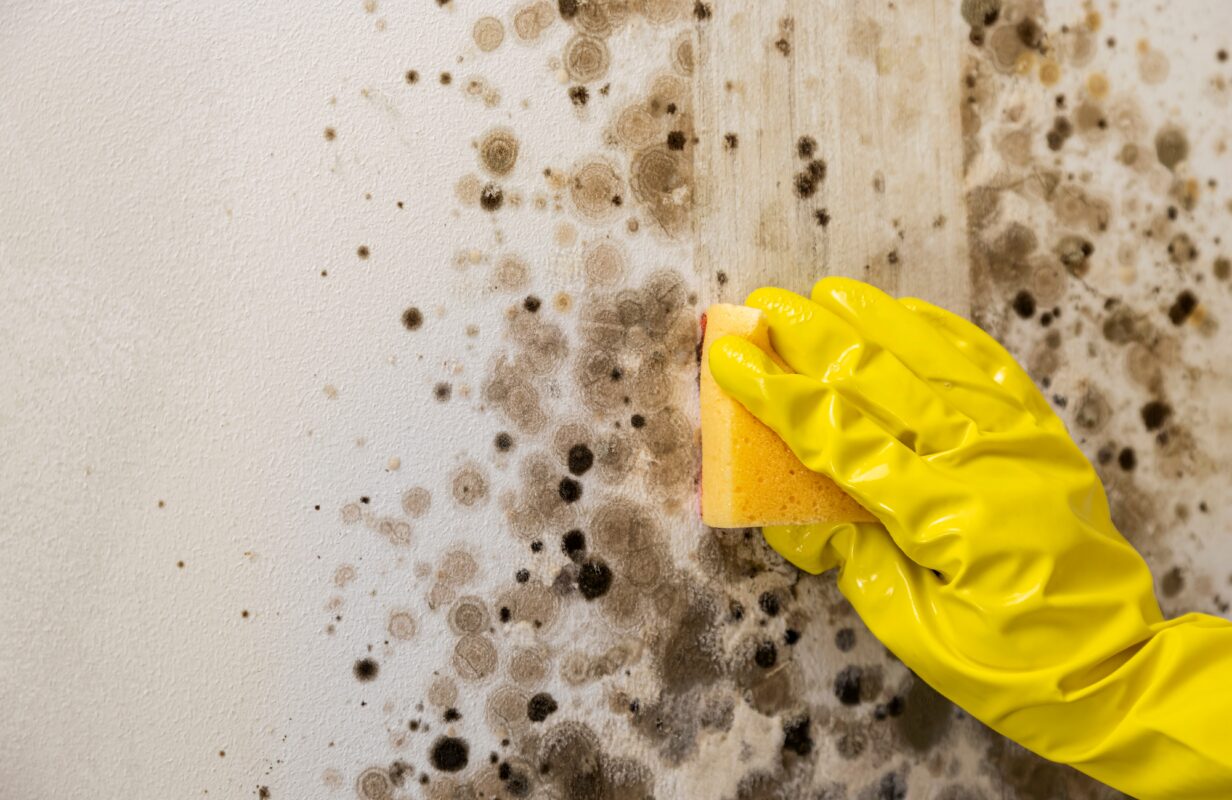
If you are noticing moisture creeping up your walls, it is important to get expert help before attempting any rising damp treatment. Many homeowners in Ireland spend significant money on DIY fixes or incorrect contractor advice, only to discover the issue was misdiagnosed from the start. The safest and most cost-effective first step is to book professional damp surveys, which ensure the real cause of the moisture is identified before any treatment begins.
At Damp Doctor, trained surveyors regularly meet clients who have already paid for ineffective repairs, unnecessary replastering, or incorrect damp-proofing solutions because the original diagnosis was wrong. Understanding the basics of rising damp is useful, but only a qualified surveyor can determine what is actually happening within your walls.
What Is Rising Damp?
Rising damp occurs when groundwater travels upwards through porous building materials such as brick, blockwork, or stone. This usually happens when the damp-proof course (DPC) is missing, damaged, or bridged. Although homeowners often try to guess the issue themselves, rising damp can look very similar to condensation, leaks, or penetrating damp.
This is why expert damp surveys are essential. Without proper diagnostic testing, there is a high risk of treating the wrong problem, which leads to wasted money and prolonged damage.
Why Rising Damp Happens
1. Failure or Absence of a Damp-Proof Course
A damp-proof course is a protective layer built into the base of external walls to stop groundwater from travelling upward. Many older Irish homes — especially those built before the 1950s — were constructed without a DPC at all. In other cases, the original DPC may have deteriorated due to age, movement in the building, or decades of moisture exposure. Once this barrier weakens or breaks down, nothing prevents water from wicking up through bricks, mortar, or stone, allowing rising damp to develop gradually over time.
2. High External Ground Levels
Rising damp often appears in homes where the soil, gravel, or paving around the outside of the building sits too high. External ground levels should be at least 150mm (roughly two bricks) below the internal floor level. When patios, flowerbeds, driveways, or insulation layers are built up over the years, they can bridge the damp-proof course. This effectively gives moisture a shortcut past the DPC, allowing water to seep into the base of the walls. Even seasonal changes, like heavy rainfall or saturated soil during Irish winters, can worsen the issue.
Only a professional damp survey will examine whether external ground levels are contributing to moisture problems.
3. Poor Ventilation
While poor ventilation doesn’t cause rising damp directly, it makes the effects significantly worse. When air does not circulate properly, moisture inside the home lingers rather than escaping. This accelerates the visible symptoms of rising damp — such as bubbling paint, musty odours, and deteriorating plaster — and can make walls appear wetter than they actually are. Many Irish homes, especially older ones upgraded with modern insulation and airtight windows, unintentionally trap moisture indoors, amplifying damp-related problems.
4. Structural Alterations
Renovations can unintentionally contribute to rising damp if they disrupt or bridge the original DPC. Common examples include:
- Laying new concrete floors that meet the wall at a higher level
- Adding insulation or cladding that traps moisture against the masonry
- Building extensions that change drainage patterns around the property
- Installing decking or patios without considering the DPC height
Even small projects, like adding garden beds against exterior walls, can create a direct moisture bridge. Over time, this allows water to bypass the original barrier, resulting in rising damp that may not become obvious until months or years later.
Common Symptoms of Rising Damp
Look for:
- Tide marks up to one metre high
- Flaking or bubbling paint
- Powdery, crumbling plaster
- White salt deposits
- Damp, musty smells
- Decaying skirting boards or timber
These signs often appear gradually, which is why homeowners sometimes overlook them until the problem has progressed.
How Rising Damp Is Diagnosed
Correct diagnosis requires a trained damp surveyor with specialist tools. During a professional survey, Damp Doctor will examine:
- Moisture readings in the wall
- Salt patterns
- Condition of the DPC
- External ground levels
- Ventilation quality
Accurate identification ensures the correct rising damp treatment is used and prevents unnecessary or ineffective work.
Effective Rising Damp Treatment Options
When deciding on the right rising damp treatment for your home, professionals typically consider the property’s age, construction type, and moisture severity. Common solutions include:
1. Chemical Damp-Proof Course Installation
This is one of the most common and reliable methods used in Ireland today. A specialist drills a series of small holes along the mortar joints at the base of the wall and injects a waterproofing cream or fluid. Once it cures, the product forms a new damp-proof barrier inside the masonry. This barrier prevents groundwater from rising any further. Chemical DPC systems are especially effective for older brick, block, or stone walls that lack an original DPC or have one that has failed over time. When installed correctly, a chemical DPC can last for decades.
2. Salt-Resistant Replastering
Rising damp doesn’t just bring moisture into the wall — it carries mineral salts from the ground. These salts remain in the plaster even after the moisture source has been cut off. If standard plaster is reused, the salts will continue to absorb moisture from the air and cause bubbling, staining, or discolouration. That’s why salt-resistant replastering is a crucial part of any rising damp repair. Specialists remove contaminated plaster and apply a breathable, salt-resistant render system designed specifically to prevent future problems. This ensures long-term stability and prevents damp symptoms from returning.
3. Ground Level Adjustment
When soil, gravel, paving, or decking sits too high against the exterior walls, it can bridge the damp-proof course. This is one of the most common causes of rising damp in Irish homes, particularly where patios or garden beds have been added over time. Lowering the external ground levels — ideally to at least 150mm below internal floor height — restores the effectiveness of the DPC. This step often involves removing built-up soil, cutting back raised flowerbeds, or adjusting paving levels to ensure proper drainage away from the property.
4. Ventilation Improvements
While ventilation alone cannot cure rising damp, it plays a major role in managing moisture levels and reducing visible symptoms. Trapped moisture makes walls appear wetter and slows the drying process after treatment. Installing air bricks, passive vents, or ensuring underfloor ventilation is functioning properly helps moisture escape naturally. In properties with modern insulation or airtight windows, additional ventilation becomes even more important. Improving airflow supports the drying process and helps prevent secondary issues like condensation or mould.
5. Waterproof Membrane Systems
For more severe cases — particularly in older stone cottages, heritage buildings, or properties with chronic water ingress — a waterproof membrane or tanking system may be required. This involves applying a physical membrane or waterproofing coating to the interior of the wall, creating an impenetrable barrier to moisture. It’s often used when the wall structure is heavily saturated or when traditional DPC methods are not suitable. Although more invasive, membrane systems offer robust, long-term protection and are often paired with salt-resistant replastering for the best results.
Why Rising Damp Is Especially Common in Ireland
Ireland’s climate — high rainfall, coastal humidity, and older housing stock — makes rising damp more likely. Many homes built before the 1980s are particularly at risk, especially cottages, terraces, and rural properties.
A professional assessment helps determine:
- Severity of moisture
- Extent of salt damage
- Expected repair scope
- Long-term prevention steps
How Long Does Treatment Take?
Most treatments follow this timeline:
- Damp survey and diagnosis
- DPC installation
- Removal of contaminated plaster
- Application of salt-resistant render
- Drying period (weeks to months depending on conditions)
Prevention Tips
You can reduce the likelihood of rising damp returning by:
- Maintaining ventilation
- Keeping external ground levels low
- Repairing gutters quickly
- Ensuring soil doesn’t sit against walls
- Checking drainage regularly
Rising Damp Can Be Fully Resolved With Professional Diagnosis
The biggest mistake homeowners make is trying to diagnose the issue themselves or relying on general tradespeople. This almost always leads to unnecessary expense and continued damp.
A professional survey is the only reliable first step. With accurate diagnosis and targeted treatment, your home can be restored to a dry, healthy condition and protected long term.
