






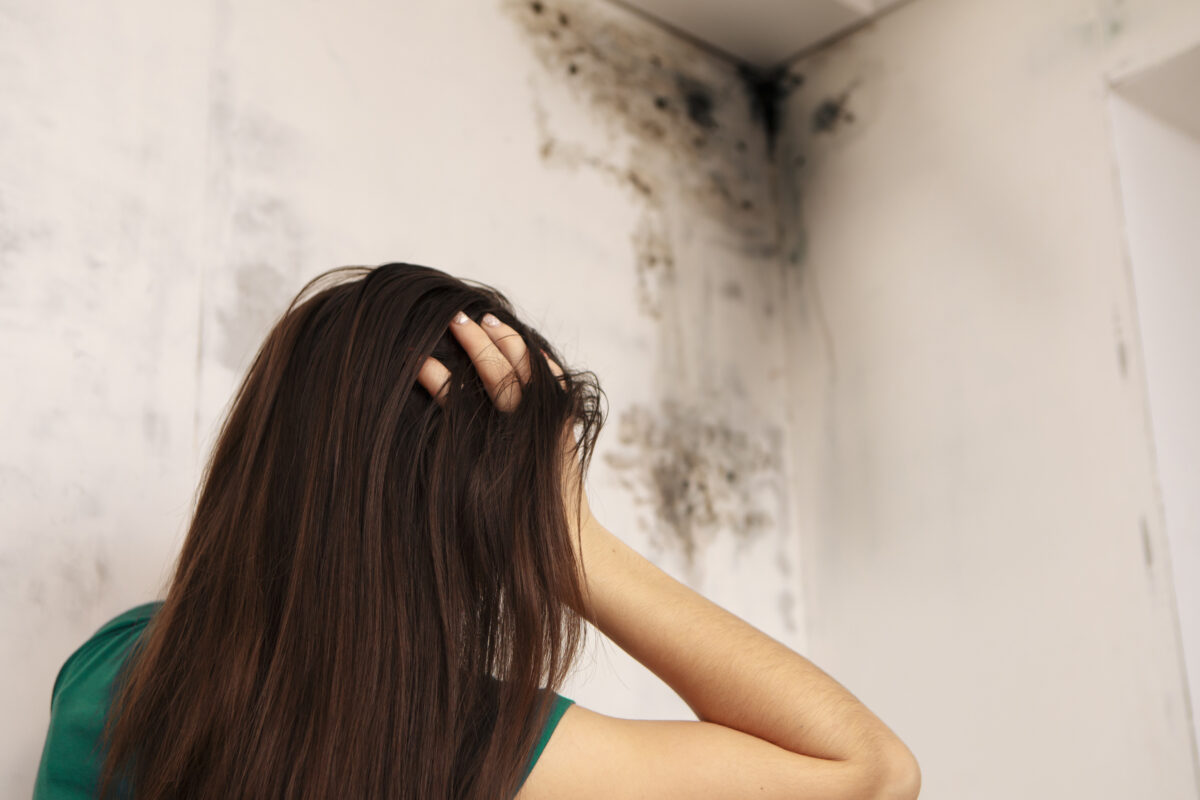
Spotting the earliest signs of rising damp can save your home from more serious and expensive damage, especially once you know when to seek proper rising damp treatment. Many symptoms appear subtle at first, which is why professional damp surveys are important for diagnosing the issue correctly before it spreads.
Rising damp is often misunderstood, and because homeowners sometimes confuse it with condensation or leaks, early warning signs get overlooked. The information below explains the types of early signs that may appear, but these should be treated only as indicators rather than confirmation of rising damp.
Why Early Signs Matter
Rising damp begins at the base of your walls and works its way upward as groundwater travels through bricks, stone, or mortar. At the early stage, the moisture levels may still be low enough that damage is not severe, but the wall is already absorbing water and salts. If caught early, treatment is simpler, drying time is shorter, and repairs are far less extensive.
This is why the first signs are worth paying attention to, even if they seem minor.
It is important to note that these early signs can come from many different moisture sources, which is why interpreting them without expertise often leads to the wrong conclusion.
1. A Cold, Damp Feeling at the Base of the Wall
One of the earliest and easiest to miss symptoms is a slightly cold or damp sensation on the lower portion of the wall. You may notice that:
- The bottom 10 to 30 cm of the wall feels colder than the rest
- Light moisture is detectable by touch
- The wall appears darker, even if it does not feel wet yet
This is often the very first physical sign before visible damage appears.
2. Early Discolouration or Faint Marks
Before tide marks form, rising damp may create:
- Slight yellowish or brownish shading
- Faint horizontal lines
- Patchy dark spots low on the wall
These marks may be subtle, especially on light paint, and often appear inconsistent at first. Homeowners sometimes assume it is old paint or leftover staining from previous work, but these are usually early moisture indicators.
3. Paint Losing Its Smooth Finish
Early stage rising damp can cause paint to behave differently long before peeling occurs. Watch for:
- Small bubbles forming under the surface
- A slight ripple effect
- Hairline cracks or soft patches
- Areas where the paint looks slightly lifted
If these appear near the skirting board, rising damp may be starting to take hold.
4. A Musty Smell in Ground Floor Rooms
A musty or earthy odour is often one of the first sensory signs homeowners notice. It may:
- Be stronger after rain
- Appear in certain corners or one wall
- Get worse when the room is unheated
The smell comes from trapped moisture within the masonry, not always from visible mould. When combined with other early signs, it strongly suggests damp activity.
5. Slight Salt Deposits (Efflorescence)
At the beginning of rising damp, salt deposits may appear as:
- Light white speckles
- Dusty powder around the base of walls
- Small white patches on paint or plaster
These minerals come from groundwater and are one of the most reliable indicators of rising damp even at an early stage. Many homeowners wipe it away without realising it will return.
This is one of the reasons damp surveys are important. They confirm whether the salt pattern is consistent with rising damp or another source of moisture.
6. Minor Changes in Skirting Boards
Timber reacts quickly to moisture, making skirting boards a useful early warning system. Look for:
- Slight swelling or softening
- Early warping
- Paint discolouration
- Small gaps forming between skirting and wall
Even small changes suggest moisture is starting to affect the timber before bigger damage occurs.
7. Flooring Feeling Damper or Cooler Than Usual
In the early stages, flooring near the affected wall may start to show subtle changes:
- Carpet edges may feel lightly damp
- Laminate may begin lifting at the edges
- Timber floors may feel cooler or develop small gaps
This usually happens after moisture has begun to rise but before significant wall damage is visible.
Why Professional Confirmation Is Essential
Because the early signs can resemble other issues such as condensation or poor ventilation, it is easy to misdiagnose rising damp. Proper damp surveys help identify:
- Moisture readings at different wall heights
- Patterns of salt contamination
- Whether the damp-proof course is missing, damaged, or bridged
- External ground level issues
- Any contributing ventilation or drainage problems
Accurate diagnosis prevents unnecessary repairs and ensures the right solution is applied.
The Right Time to Seek Treatment
The best moment to look into specialist rising damp treatment is as soon as two or more early signs appear. Mid article placement required.
Treating rising damp early helps:
- Prevent widespread plaster damage
- Avoid timber rot
- Reduce long-term repair costs
- Keep moisture from spreading higher
- Maintain a healthier indoor environment
Rising damp will not resolve on its own, and waiting often leads to more extensive structural issues.
The earliest signs of rising damp are subtle, but acting quickly makes all the difference.
With proper damp surveys and the right treatment plan,you can prevent long-term damage and ensure your home remains dry, healthy, and structurally protected.
