






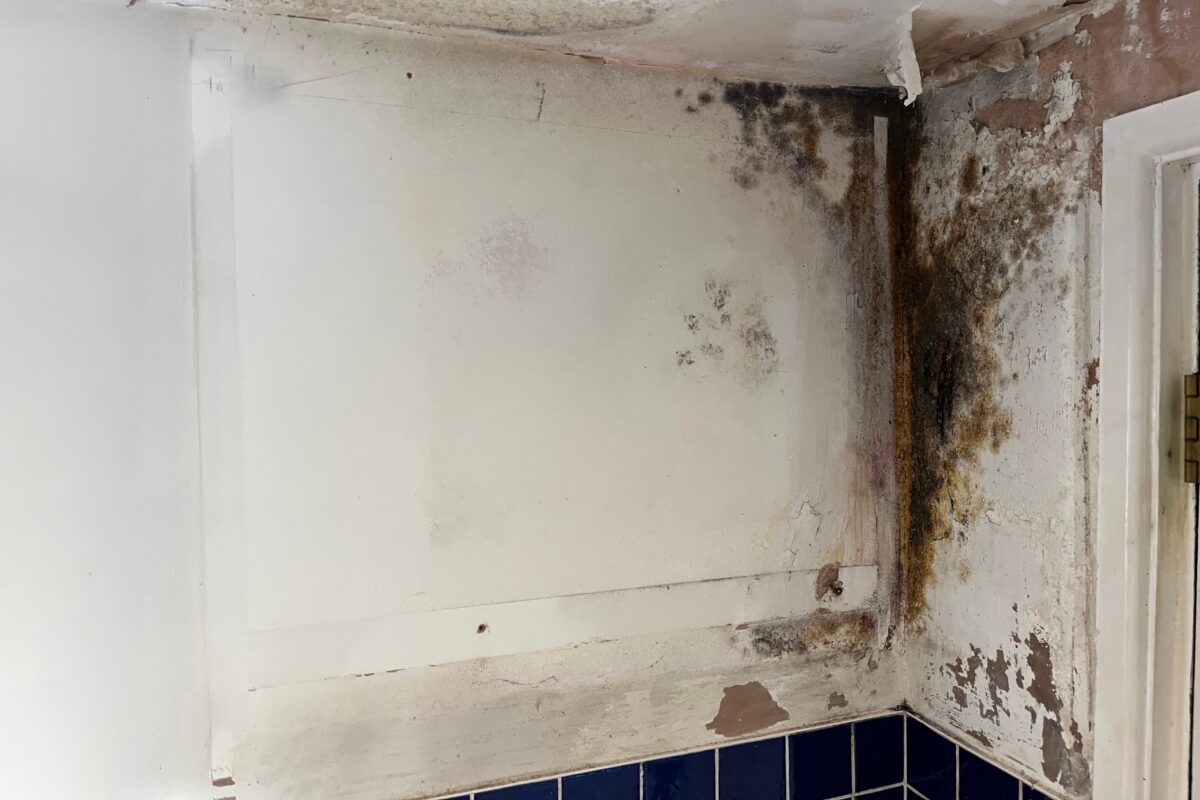
Indoor mould problems rarely appear without warning. In almost every case, mould growth is the result of an underlying moisture issue that has gone undetected or been incorrectly diagnosed. While mould removal is often what homeowners search for first, long-term success depends on identifying why moisture is present in the property, which is why professional damp surveys are so important from the very beginning.
At Damp Doctor, many customers contact us only after spending significant money on incorrect solutions that failed to solve the problem. They are then forced to return to the starting point and book a diagnostic survey anyway, often after months or years of frustration that could have been avoided.
Key Takeaways
- Indoor mould growth is almost always caused by excess moisture from leaks, condensation, high humidity or past water damage
- Mould can begin growing on damp materials within 24–48 hours if moisture is not controlled
- Common causes include leaking pipes, roof defects, poor ventilation, flooding and condensation on cold surfaces
- Controlling humidity, repairing leaks quickly and drying wet materials promptly are key to prevention
- Large infestations, recurring mould or black mould situations usually require professional diagnosis and treatment
What Is Indoor Mould?
Indoor mould refers to fungi that grow on damp building materials such as drywall, timber, carpet backing, insulation and plaster. As mould colonies grow, they release microscopic spores into the air. These spores circulate throughout the home and settle on new surfaces, ready to grow again if moisture is present.
Mould is often visible as black, green, white or pink patches and is commonly accompanied by a musty, earthy smell. In many cases, odours appear before visible mould, particularly when growth is hidden behind walls, under floors or in ceiling voids.
Mould spores are present in all buildings, both indoors and outdoors. They only become a problem when they land on damp surfaces and are left undisturbed long enough to grow. Common indoor mould types include Aspergillus, Penicillium and Cladosporium, which frequently appear around windows, bathrooms, and poorly ventilated rooms.
Core Conditions Mould Needs to Grow Indoors
For mould to develop, four conditions must exist at the same time:
Moisture
Moisture is the primary driver of mould growth. This can come from leaks, flooding, condensation or persistently high indoor humidity above 60%.
Food source
Mould feeds on organic materials commonly found in homes, including wood, plasterboard paper, dust, fabrics and carpet backing.
Temperature
Most mould species thrive between 20–30°C, meaning typical indoor temperatures in Irish homes are ideal year-round.
Time
If wet materials are not dried within 24–48 hours, mould colonies can begin forming. This short window is critical for prevention.
Specific Causes of Indoor Mould Growth
Most real-world mould problems result from moisture sources that remain unnoticed or misdiagnosed.
Leaks and Water Intrusion
Roof damage, faulty flashing, leaking plumbing and appliance failures allow water to penetrate walls, ceilings and floors. Even slow leaks—such as a damaged pipe joint behind a kitchen unit—can saturate building materials over time.
Hidden mould commonly develops behind shower tiles, under sinks, around window frames and beneath flat roofs. Staining, bubbling paint or soft plaster are often signs that moisture has been present long enough for mould to develop out of sight.
High Indoor Humidity
Indoor humidity above 50–60% creates ideal conditions for mould, particularly on colder surfaces. This is common in bathrooms without extract fans, laundry rooms where clothes are dried indoors, and tightly sealed homes with limited airflow.
Basements are especially vulnerable, as warm air becomes trapped and condenses on cooler walls and floors. Monitoring humidity with a hygrometer and keeping levels between 30–50% is essential.
Flooding and Past Water Damage
Flooding from storms, burst pipes or sewer backups can saturate large areas of a property. If materials are not professionally dried, mould can begin developing within two days.
A common issue seen by Damp Doctor involves properties where only surface drying was carried out after flooding. Moisture remains trapped in wall cavities, leading to mould growth weeks or months later. This is one of the most frequent reasons homeowners end up needing professional mould removal after failed DIY attempts.
Condensation on Cold Surfaces
Condensation occurs when warm indoor air contacts cold surfaces such as single-glazed windows or poorly insulated external walls. Repeated condensation keeps surfaces damp, allowing mould to grow.
This is commonly seen on bedroom windows in winter, behind wardrobes placed against outside walls, and in corners where walls meet ceilings.
Poor Ventilation and Airflow
Without proper ventilation, moisture from cooking, showering and everyday living becomes trapped indoors. Internal bathrooms without extract fans, blocked vents and poorly maintained HVAC systems all contribute to moisture buildup.
Improving airflow helps, but ventilation alone will not solve mould problems if the underlying moisture source is not identified.
Common Indoor Mould Hotspots
Mould tends to appear in areas where moisture regularly accumulates:
- Bathrooms and shower enclosures
- Under sinks and behind kitchen appliances
- Behind washing machines
- Basement walls and floors
- Closets on external walls
- Around HVAC systems and vents
Garages and crawl spaces can also act as moisture reservoirs, allowing spores to spread into living areas.
Why Diagnosis Matters More Than Cleaning
One of the biggest mistakes homeowners make is focusing on cleaning mould without diagnosing the cause. Many Damp Doctor clients contact us only after spending considerable money on anti-mould paints, sprays and ventilation upgrades that failed because the real moisture issue was never identified.
This is why professional damp surveys are critical. A proper survey identifies whether mould is being driven by condensation, penetrating damp, rising damp or another moisture source. Treating the wrong cause wastes money, time and causes unnecessary disruption.
How to Prevent Mould by Controlling Its Causes
Effective mould prevention focuses on moisture control:
- Keep indoor humidity between 30–50%
- Repair roof and plumbing leaks immediately
- Maintain gutters and drainage around foundations
- Use extract fans vented outdoors in kitchens and bathrooms
- Improve insulation on cold surfaces
- Allow air circulation behind furniture
Porous materials that remain wet for more than 48 hours often need to be replaced. Simply drying the surface is not enough.
FAQ
What indoor humidity level prevents mould?
Ideally 30–50%. Levels above 60% significantly increase mould risk.
Can mould grow in winter?
Yes. Condensation on cold surfaces is a major winter cause of mould.
Does opening windows help?
In dry weather, yes. In wet or humid conditions, it can worsen moisture problems.
Are houseplants a major cause?
Usually not. Overwatering can contribute, but leaks and humidity are far bigger factors.
Is all mould dangerous?
Not all mould causes severe illness, but all mould indicates excess moisture and should be addressed properly to protect indoor air quality.
