






Woodworm and Timber Decay Survey
Woodworm infestations and timber decay can silently damage your property, weakening structures and compromising safety. Left untreated, these issues can escalate, leading to costly repairs and significant structural risks.
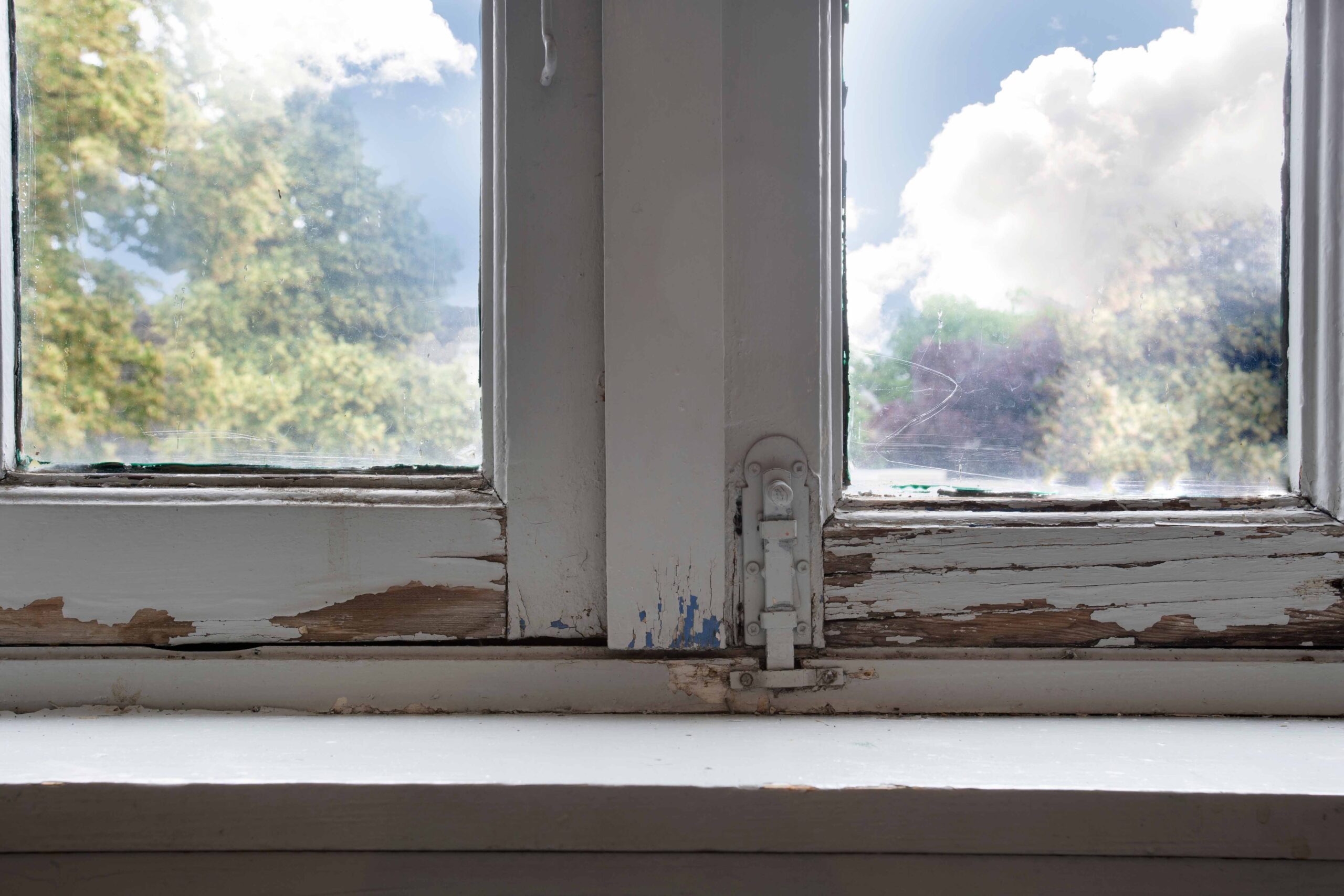
Woodworm is the collective term for the larvae of several species of wood-boring beetle. The larvae hatch from eggs laid in cracks and crevices in timber, then feed on the cellulose within the wood – creating a network of tunnels that progressively weaken the structure. Infestations often go undetected for years: the visible flight holes left by emerging adult beetles may be the only outward sign of damage that has been building for a long time. Timber in damp or poorly ventilated conditions is particularly vulnerable, as moisture accelerates decay and makes the wood more attractive to wood-boring insects. If you are seeing small round holes in timber, fine powdery dust beneath structural timbers, or weakened floorboards or joinery, a professional woodworm and timber decay survey is the correct first step.
At Dampdoctor, our Woodworm and Timber Decay Surveys are carried out exclusively by qualified Building Surveyors and Building Engineers who use proven surveying and engineering techniques to accurately diagnose woodworm activity and timber decay. This professional approach identifies the root cause of the problem and ensures it is effectively addressed, preventing further damage or unnecessary treatments.
Woodworm surveys are frequently requested as part of the property purchase process – either by buyers seeking assurance before exchange, or by vendors wanting to address issues before they appear on a buyer’s report. If you are buying or selling a property and need a combined damp and timber assessment, see our pre-sale property damp survey.

What we inspect
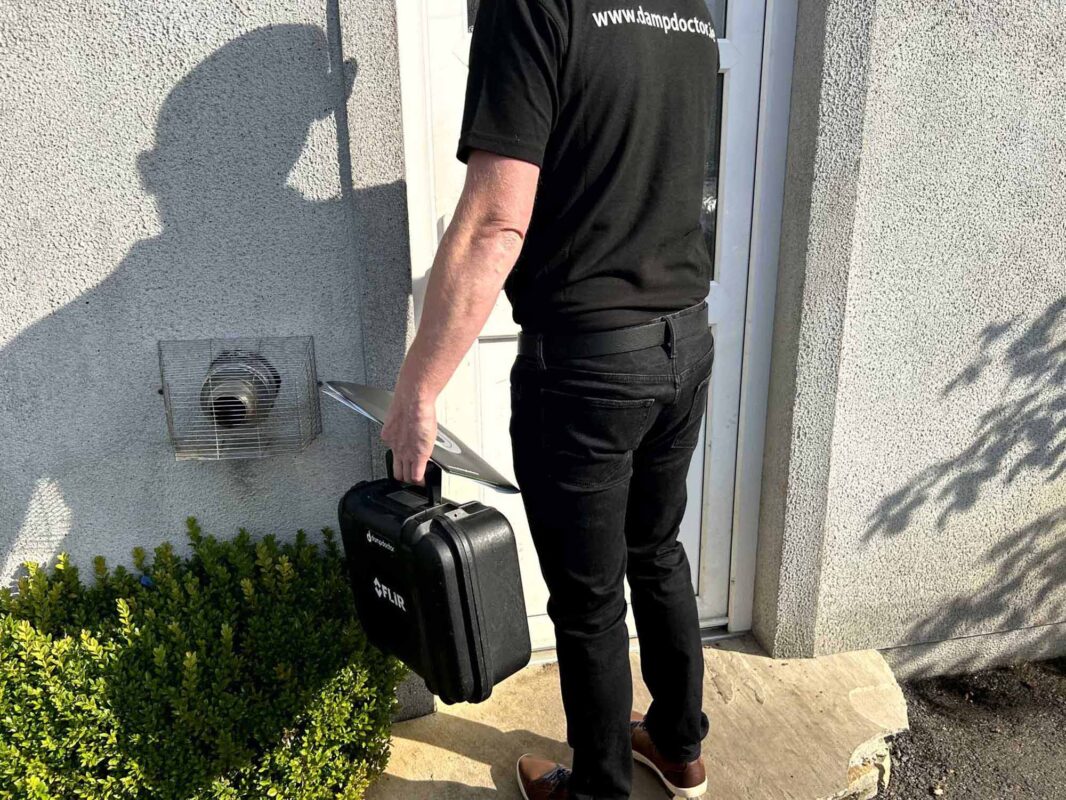
Our surveyors carry out a systematic inspection of all accessible timber in the property, including:
- Roof timbers and loft void (via loft hatch where accessible)
- Floor joists and subfloor voids
- Window and door frames
- Staircase timbers
- Structural beams and load-bearing timbers
- Moisture-affected areas – damp conditions significantly accelerate timber decay and beetle activity
Wood-boring beetles strongly prefer damp, poorly ventilated, or partly decayed timber. In many cases, an underlying damp problem is the reason a woodworm infestation has taken hold. As damp and timber decay specialists, Dampdoctor is uniquely placed to identify and address both issues in a single inspection. If damp is suspected as a contributing factor, we recommend booking a comprehensive damp survey alongside the timber inspection.
What Our Woodworm and Timber Decay Survey Includes:
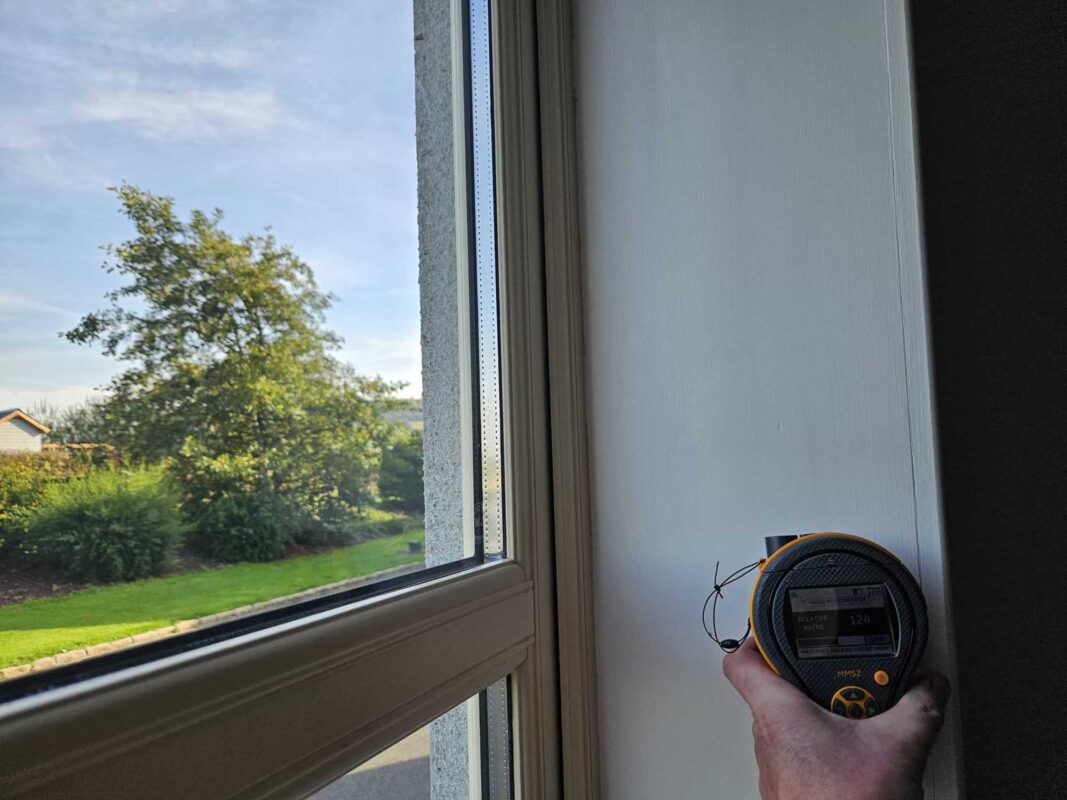
This option provides a Comprehensive On-Site Inspection, where timber is thoroughly assessed for woodworm infestations. Using Proven Testing Methods, we identify the key locations of woodworm infestations that require treatment and provide expert recommendations on addressing any resulting structural compromises.
A key part of every woodworm survey is determining whether an infestation is active or historical. Active infestations – where larvae are still present and feeding – require treatment. Historical infestations, where beetles have long since emerged and no new activity is present, may not require any intervention at all. Distinguishing between the two is a specialist skill and one of the primary reasons a professional survey is more reliable than a visual check alone. See our woodworm treatment page for details on treatment options where active infestation is confirmed.
Building on the Standard Package, Option 2 includes a Comprehensive Timber Decay Survey Assessment, which provides an in-depth evaluation to uncover severe Timber decay in accessible locations that may go unnoticed in basic inspections. This ensures a more indepth diagnosis and targeted solutions; featuring a Customised Remediation Plan tailored to your specific needs and a Follow-Up Consultation. This option offers a higher level inspection.
Our expert team delivers unbiased, actionable advice, ensuring the right solutions are applied to protect your property and prevent further damage. With decades of experience in timber preservation, pest control, and structural assessments, Dampdoctor provides trusted solutions for your peace of mind.
Act now to protect your property from woodworm and timber decay. Contact Dampdoctor today to arrange your professional survey and receive the expert guidance you need.
| Standard Survey | Premium Survey | |
|---|---|---|
| Completed by Qualified Building Surveyors & Engineers |  |
|
| Proven Surveying & Engineering Techniques | |
|
| Woodworm Infestation Assessment | |
|
| Comprehensive On-Site Inspection | |
|
| Proven Testing Methods | |
|
| Structural Risk Assessment | |
|
| Detailed Report | |
|
| Comprehensive Timber Decay Assessment |  |
|
| Customised Remediation Plan | |
|
| Follow-Up Consultation | |
|
| Book Now | Book Now |
Frequently Asked Questions
It depends on the extent and location of the infestation. Light historical activity in non-structural timber may require no action. Active infestation in load-bearing timbers - roof structure, floor joists, structural beams - can cause serious damage if left untreated. A professional survey establishes the severity before you spend money on treatment
Fresh flight holes (round, clean-edged, with fine powdery frass beneath) and live larvae in timber indicate active infestation. Old holes with discoloured edges and no fresh dust suggest historical activity. A professional surveyor can confirm this through close inspection and, where necessary, targeted probing of affected timber.
Yes, in severe or long-standing cases. Heavy infestation in structural timbers - joists, rafters, beams - can compromise load-bearing capacity. Early detection and treatment prevents this from becoming a significant structural problem.
Look for small round holes (1–2mm diameter) in timber surfaces, fine cream or white powder (frass) beneath or around affected timber, and in some cases live grubs visible in split or broken wood.
DIY treatments are available for surface infestations in accessible, non-structural timber. However, self-treatment without a professional assessment risks treating historical rather than active infestations, missing structural damage, or failing to address an underlying damp problem that is sustaining the infestation. See our woodworm treatment service for professional treatment options.
Most surveys take between one and two hours depending on property size and accessibility of timber areas such as the loft and subfloor.
Adult beetles emerging from infested timber can re-lay eggs in adjacent or nearby timber, gradually spreading the infestation. Treating the affected timber promptly - and addressing any underlying damp that may be encouraging beetle activity - prevents this.
Book Your Survey
Enter your details into the form below and we will be in touch to arrange for your damp survey.
Why Choose Dampdoctor?

Efficient service from the beginning
No obligation survey
Surveys carried out by experienced surveyors
Honest, professional advice
Competitive prices on our range of solutions
Our Customer Reviews

Don’t Let Damp Take Hold
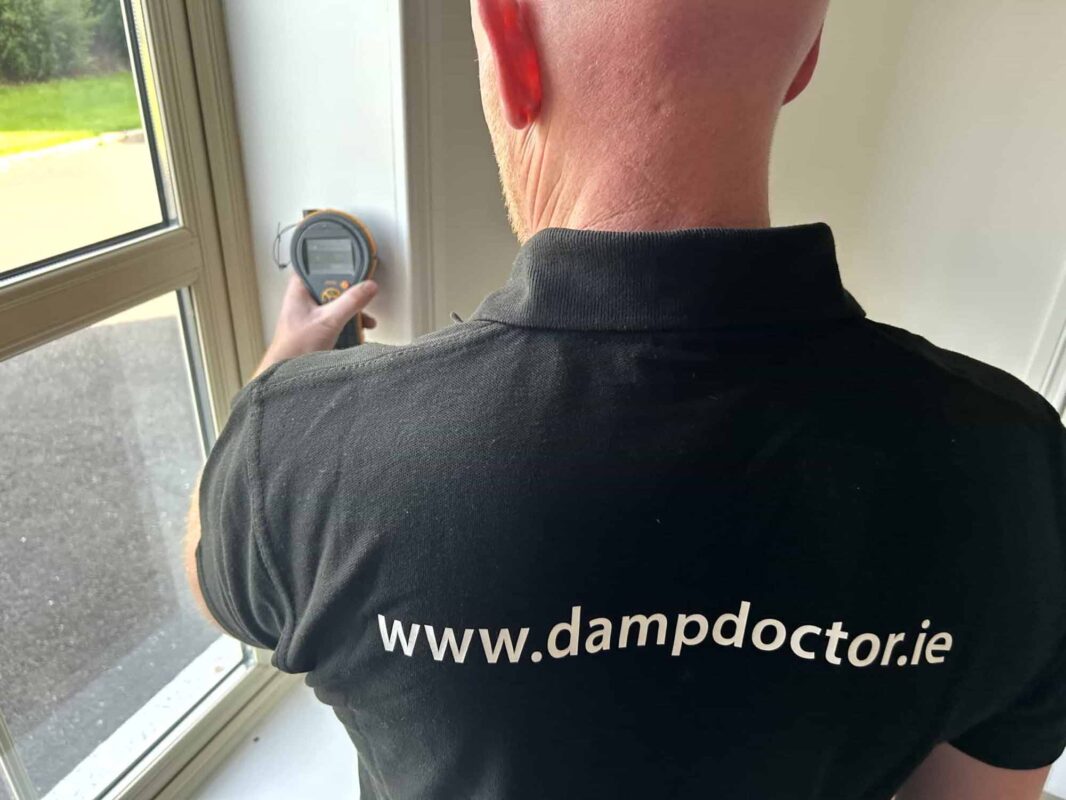
For further information regarding survey, diagnosis and our range of remediation solutions, contact us today or click on the button below to make a booking.