




Key Takeaways
Uncovering damp mid-renovation is one of the most common surprises in older Irish homes. The first priority is always accurate diagnosis – a proper damp survey – before agreeing to any treatment or structural work.
- Hidden damp is common in older buildings with weak or missing damp proof courses.
- Expect realistic impacts on budget and timeline, including extra investigation and drying.
- Most damp problems are manageable if caught early, with good planning.
- Avoid agreeing to irreversible treatments before proper diagnosis.
Why Damp So Often Appears During Renovation
Renovation strips away finishes, so hidden damp often shows up the moment work begins, especially in older buildings where damp proof courses have failed. Booking a full pre-renovation inspection before you start can save a great deal of disruption later.
Typical Damp Problems Uncovered Once Walls Are Opened Up
Once plaster and floor finishes come off, patterns emerge: rising damp at floor level, penetrating damp as random patches, and condensation mould in cold corners. These often overlap in one room, which is why a single fix-all product rarely works.
Telling Rising, Penetrating, and Condensation Damp Apart On Site
Rising damp sits low in a consistent band with salts on the plaster. Penetrating damp links to rain exposure on a wall, worsening after storms. Condensation shows as surface mould in cold corners near bathrooms and kitchens. Only a trained surveyor can give a definitive diagnosis.
Early Warning Signs Before You Even Start Renovation
Many damp issues give clues months beforehand: a musty smell, discoloured patches at wall bases, or cold, clammy walls. Outside, watch for algae near ground level and flower beds bridging the damp proof course. For the fuller list of warning signs worth acting on before you start, it’s worth reading up before you finalise your design.
What Happens the Day Your Builder Finds Damp
A good builder should pause work in the affected area, photograph everything, and tell you promptly rather than covering it up. What follows is usually a conversation about opening a wider area and whether to call in a specialist. Avoid agreeing to irreversible treatments on the spot, before proper diagnosis.
Commissioning a Proper Damp Survey During Renovation
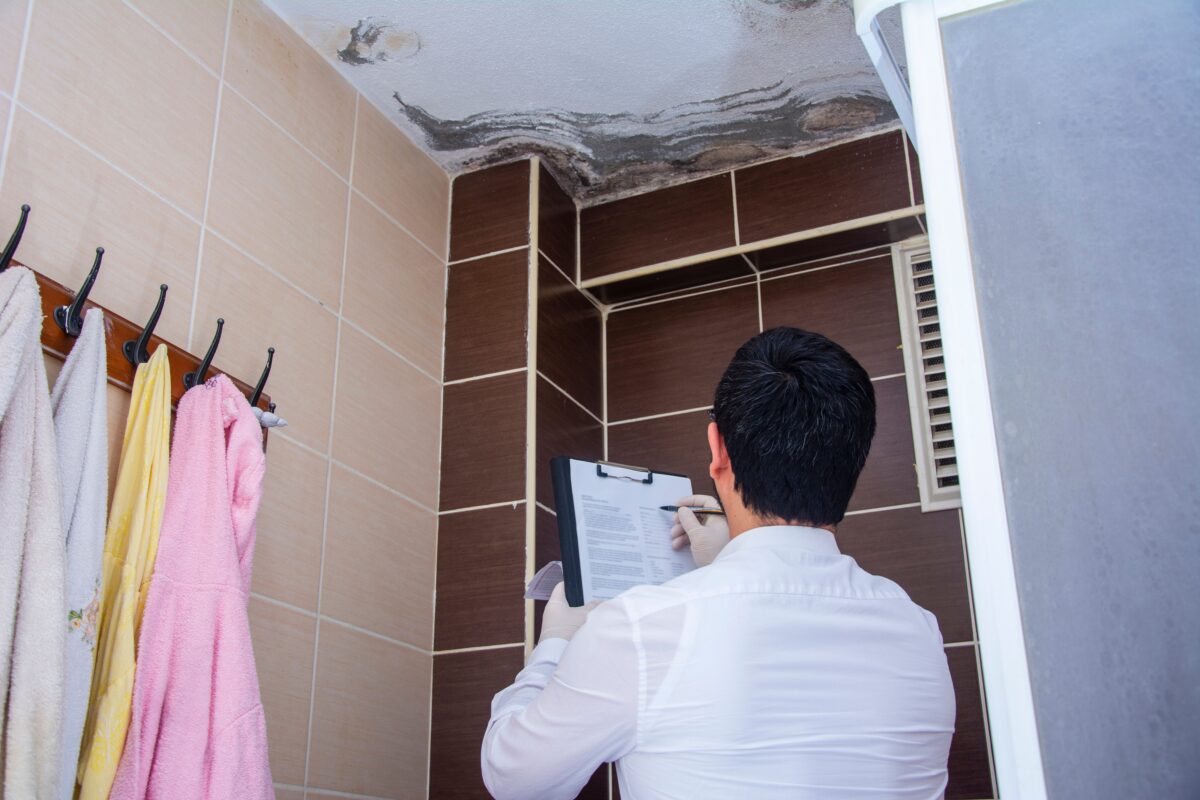
A proper damp survey is a systematic inspection of walls, floors, roof, drainage, and ventilation, backed by moisture readings. Choose an independent surveyor rather than a contractor selling a single system – PCA membership is a reasonable marker of standards. For a full breakdown of what gets checked and why , see our dedicated guide. Expect a written report with specific recommendations, and keep it on file for future buyers and insurers.
Damp Proof Courses, Membranes, and When You Really Need Them
A damp proof course is a horizontal barrier in a wall; a damp proof membrane is a sheet laid in floors or over walls. Renovation-era problems include a bridged DPC or a missing DPM under an old slab. Be sceptical of any product offered without a clear explanation of the source.
Damp in Old Buildings: Breathability and Modern Missteps
In solid-wall properties and stone cottages, traditional construction relied on breathable materials rather than modern plastic membranes. Cement renders and vinyl paints from past refurbishments often trap moisture, only surfacing as damp when you renovate again. Restoring breathability with lime render and plaster usually works better than adding more barriers.
Hidden Structural Risks Linked to Damp
Long-term damp can weaken structural elements only visible once floors or ceilings are opened up: wet rot in joists, dry rot behind panelling, and corroded steel beams. Call a structural engineer alongside a damp specialist for significant cracking – safety findings take priority over cosmetic finishes.
Health and Comfort Impacts During and After Works
Renovation can temporarily worsen damp-related health issues, since stripping walls disturbs mould spores and dust, linked to aggravated asthma and allergy irritation. Cleaning mould off a surface without fixing the source is only ever temporary.
How Damp Discoveries Affect Budgets and Timelines
Significant damp found mid-project adds costs across survey fees, plaster replacement, new membranes, and redecoration. Allow extra days for investigation and weeks for drying – new plaster dries at only around a millimetre a day. A contingency allowance labelled specifically for hidden damp makes these surprises easier to absorb.
Working With Builders, Specialists, and Insurers
Responsibilities are usually divided: the builder flags the issue, an independent specialist diagnoses it, and you make the final call. Most home insurance treats gradual damp as maintenance, though a sudden leak may be covered – check your policy rather than assume. Get clear, itemised quotes, and be wary of firms pushing one system without investigating first.
Practical Damp Prevention to Build Into Your Renovation
Renovation is the ideal moment to reduce future damp risk through design: better drainage, upgraded gutters, extract ventilation in wet rooms, and breathable finishes. Avoid built-in cupboards against solid external walls, and make sure new insulation doesn’t create cold bridges.
Living Through a Renovation With Damp Issues
If you’re staying in the property, isolate affected rooms, use a temporary dehumidifier, and keep children away from mould-affected areas. Expect smells, noise, and dust once damp plaster is hacked off – plastic sheeting and an air purifier help.
Conclusion: Diagnose Early, Fix Properly, Renovate With Confidence
Damp uncovered during renovation is common but manageable when approached systematically and honestly. Early recognition and a proper survey matter more than reacting quickly – a well-diagnosed, properly treated problem leaves you with a warmer, healthier, more durable home.
FAQ: Damp Discovered During Renovation
General guidance only – it doesn’t replace a site-specific survey or a structural engineer’s advice.
How long should I pause my renovation if unexpected damp is found?
Often only the affected area needs to pause while a survey is carried out, typically one to three weeks. A full pause is usually only needed where structural safety is in question.
Will discovering damp during renovation ruin my budget completely?
Serious damp can add significantly to a project, but early diagnosis usually keeps costs under control by targeting only affected walls and floors. Many projects run with a contingency of ten to twenty percent set aside for issues like this.
Can I sell my house easily after damp problems have been treated?
Properly diagnosed and documented treatment, with survey reports and guarantees, can reassure buyers rather than put them off. Keep all paperwork, including before-and-after photos, as proof the problem was resolved.
How long do walls take to dry out after damp proofing and replastering?
New plaster dries at roughly a millimetre a day, so a thin skim can take two to three weeks. Walls previously soaked by damp can take months to reach full equilibrium. Maintain gentle background heating, but avoid forcing drying with very high heat.
Is it worth getting a second opinion on damp during a renovation?
A second opinion is sensible if the treatment is very invasive, costly, or ignores obvious defects like damaged gutters. Choose a surveyor who isn’t tied to selling a chemical system.
