






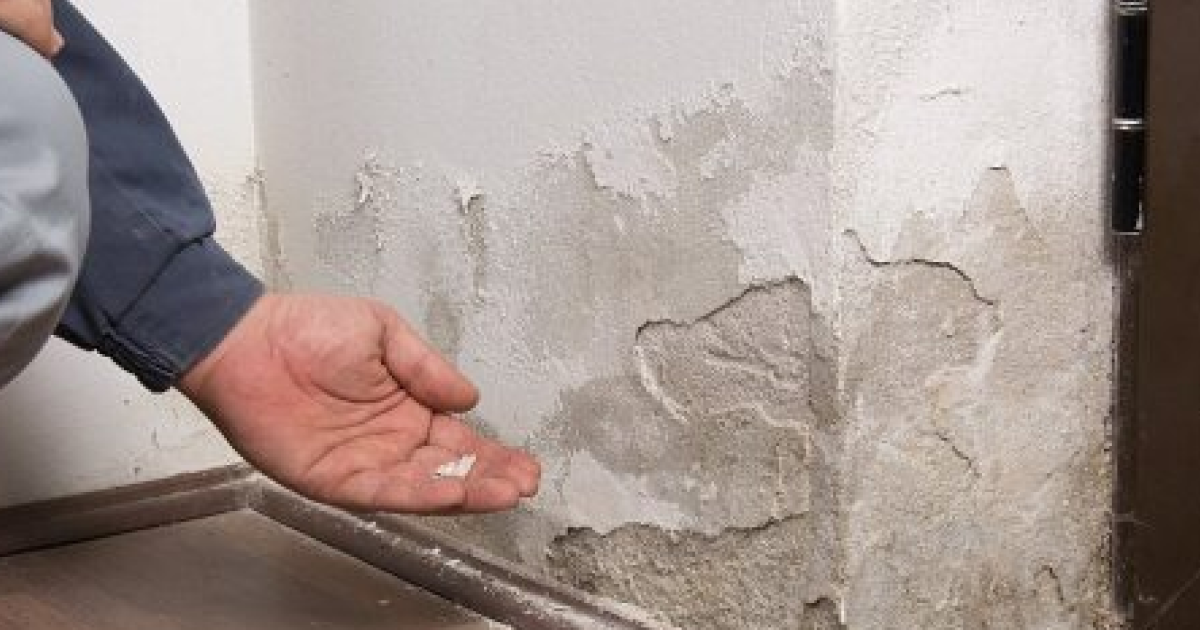
Damp is one of the most widespread property problems in Dublin — and one of the most misunderstood. Walk through almost any older street in the city and there’s a good chance that behind the painted render or fresh wallpaper, moisture is quietly doing damage. Mould patches, musty smells, bubbling paint, crumbling plaster, tide marks on lower walls — these are all signs that something is wrong. But what exactly, and why?
The answer matters more than most people realise. Damp isn’t a single problem — it’s a symptom of a specific moisture pathway. Treat the wrong one and you won’t just waste money. You can actively make things worse. That’s why accurate diagnosis by a qualified professional is the essential first step before any remediation work begins.
Why Is Damp So Common in Dublin?
Dublin has a particular combination of factors that make damp problems more likely than in many other cities. Understanding these factors helps explain why so many Dublin homeowners and landlords face recurring moisture issues — even after attempting repairs.
1. A Wet, Coastal Climate
Dublin’s position on the east coast means persistent rainfall, high ambient humidity, and limited drying conditions — especially in autumn and winter. Wind-driven rain is a significant factor: moisture doesn’t just fall vertically, it gets pushed horizontally into even small defects in walls, roofs, and window surrounds. Walls and building fabric stay wet longer, which increases the risk of penetrating damp and turns minor maintenance issues into serious problems.
2. A Large Stock of Older Solid-Wall Buildings
Dublin contains an exceptional concentration of Georgian, Victorian, and Edwardian buildings — many of them solid brick or stone construction, built before modern damp proof courses (DPCs) became standard. These buildings were designed to manage moisture through breathability: walls absorbed and released moisture as conditions changed. When that breathability is disrupted — by cement render, modern plasters, or sealed finishes — moisture that would naturally evaporate instead becomes trapped inside the wall.
3. Renovations That Accidentally Trap Moisture
Energy upgrades and refurbishments are often necessary and well-intentioned, but they can fundamentally alter how a building manages moisture. Sealing an old fireplace, applying impermeable render to a lime-built wall, improving airtightness without adding ventilation — all of these can redirect moisture into places it wasn’t designed to go. Many of the damp cases DampDoctor investigates in Dublin have been worsened, not caused, by a previous repair.
4. Modern Indoor Humidity
Even without any external water ingress, a Dublin home can develop serious damp symptoms from the inside out. Cooking, showering, drying clothes indoors, and normal daily occupancy all release water vapour. In a poorly ventilated home — particularly one that has been made more airtight — that moisture finds cold surfaces and condenses. Over time, this becomes the mould growth that residents mistake for a “damp wall.”
The Three Types of Damp in Dublin Properties
Not all damp is the same. There are three distinct moisture mechanisms, each with different causes, different signs, and critically — different solutions.
Penetrating Damp
Penetrating damp is caused by rainwater entering through a specific defect: cracked render, failed pointing, damaged roof coverings, blocked gutters, leaking downpipes, defective flashings, or gaps around windows and doors. In Dublin’s climate, wind-driven rain will exploit these defects repeatedly, causing patches that worsen after rainfall and staining around chimneys, window heads, or parapets.
The fix is always to identify and repair the defect — not to seal the internal surface. Sealing from the inside does not stop water entry and can trap moisture in the wall fabric.
Rising Damp
Rising damp occurs when ground moisture travels upward through porous masonry by capillary action. It is most common in older Dublin properties where there is no DPC, where the DPC has failed, or where external ground levels have been raised — by new paving, landscaping, or a raised flower bed — to a point where they bridge the existing DPC.
The typical signs are tide marks at lower wall levels (usually up to around one metre), salt deposits on the plaster surface, blown or deteriorating plaster, and decay in skirting boards or embedded floor timbers.
Condensation
Condensation is arguably the most common cause of mould in Dublin homes today. It occurs when warm, moisture-laden air comes into contact with a cold surface — a cold wall corner, the area behind a wardrobe, a window reveal — and deposits moisture. It is particularly prevalent in solid-wall homes, in airtight modern apartments, and in any room where ventilation is inadequate.
The key distinction from penetrating or rising damp: condensation symptoms are typically worst in winter, often appear on internal surfaces rather than external walls, and are linked to occupancy patterns rather than rainfall events.
Why Getting the Diagnosis Right Matters
The most important thing to understand about damp in Dublin is this: the treatment depends entirely on the cause. A condensation problem treated as rising damp will reappear. A penetrating damp issue treated with a chemical DPC injection is money wasted. Worse, applying cement render or waterproof paint to a wall suffering from rising damp can cause salt and moisture to migrate further into the structure.
Self-diagnosis — based on appearance alone, or on information found online — is unreliable. The signs of different damp types can overlap, and multiple mechanisms can be present in the same wall. A professional damp survey involves systematic testing: in-depth assessment of external defects alongside specific internal testing for each of the three main mechanisms.
If you’re seeing signs of damp in a Dublin property, the right first step is a professional inspection — not a trip to the hardware store.
The Cost of Leaving Damp Untreated
Untreated damp doesn’t stay static. In Dublin’s climate, moisture problems tend to worsen over time and the secondary damage compounds:
- Mould growth — impacts indoor air quality and is a known trigger for respiratory conditions including asthma
- Timber decay — affecting skirtings, floor joists, roof timbers, and embedded structural elements
- Salt contamination — once salts migrate into plaster, repeated paint and plaster failure follows until the root cause is addressed
- Reduced thermal performance — wet walls conduct heat out of a building faster, increasing energy costs
- Property value and saleability — visible damp and associated damage affects valuations and can complicate property transactions
Early intervention is significantly cheaper than remediation after structural damage has occurred.
What Type of Dublin Property Do You Have?
Damp risks vary significantly depending on when and how your property was built. Georgian terraces, Victorian semis, 1930s cavity-wall houses, and modern apartments each have a different typical damp profile — different weak points, different failure modes, and different remediation approaches.
Our guide to Damp Problems by Dublin Building Era walks through each property type in detail:
- Damp in Georgian Buildings in Dublin
- Damp in Victorian and Edwardian Buildings in Dublin
- Damp in 1930s–1950s Dublin Houses
- Damp in Modern Dublin Apartments
Get a Professional Damp Survey in Dublin
DampDoctor provides professional damp surveys and remediation plans across Dublin. Every Dampdoctor survey includes our in-depth testing procedures, developed through decades of industry experience and grounded in proven surveying and engineering methodologies. This comprehensive approach allows us to accurately diagnose the root cause of damp and mould issues, providing homeowners and property professionals with clear, reliable findings and a detailed scope of works tailored to deliver long-term solutions.
