


Key Takeaways
Most rising damp repairs in Ireland cost somewhere between €600 and €5,000, and the most reliable way to land at the lower end of that range is proper rising damp treatment carried out as soon as the problem is confirmed. In severe, long-neglected cases involving rotten floor joists and full ground-floor replastering, costs can climb above €10,000 — which is exactly why booking one of our damp surveys early is such good value.
- Most “standard” rising damp jobs — a chemical damp proof course plus replastering one or two rooms — fall roughly in the €2,000–€4,000 bracket for an average home.
- Cost is driven mainly by three things: how much wall length needs a new damp proof course, how much plaster and finish has to be replaced, and whether floor joists or skirting boards have already rotted.
- Professional diagnosis is essential — misdiagnosing condensation or penetrating damp as rising damp can mean wasting thousands of euro on the wrong treatment entirely.
- Home insurance almost never covers rising damp, because it is treated as wear and tear rather than a sudden insured event, so it pays to budget and plan ahead rather than hope for a payout.
What Is Rising Damp and Why Is It So Costly to Fix?
Rising damp is ground moisture travelling upward through porous building materials — brick, block and mortar — by capillary action. Water is drawn up from the soil, carrying dissolved salts with it, and is normally stopped at a set height by a working damp proof course (DPC) or damp proof membrane. When that barrier fails, is missing, or has been bridged, the moisture simply keeps climbing.
Typical symptoms include tide marks reaching up to around 1–1.4 metres, peeling paint and plaster, crumbling skirting boards, white salty efflorescence, and a musty smell concentrated near ground level.
It becomes expensive to fix because that moisture slowly rots skirting boards and floor joists, corrodes metal fixings, damages plaster across entire wall lengths rather than just a small patch, and often requires furniture removal and full redecoration once treatment is complete. Older properties — those built before around 1875 with no damp proof course at all, or before the 1950s with an early bitumen or slate DPC — are more likely to suffer rising damp, and tend to face higher damp-proofing costs as a result.
How Much Does It Cost to Fix Rising Damp?
For treating rising damp alone — not a full renovation — realistic price bands in Ireland generally look like this:
- Small flat or single wall: roughly €600–€1,700 for localised chemical DPC injection and making good.
- Typical 2–3 bed terrace or semi-detached house: about €2,200–€4,500 where multiple walls are affected.
- Large detached house: often €4,000–€7,000 or more, depending on total wall length and access.
Some comprehensive repairs — including a damp proof membrane to floors, joist replacement, and full ground-floor replastering — can climb into the €8,000–€12,000 range in severe, long-neglected cases. Most published “average” damp-proofing figures sit in the middle of these ranges and typically include both labour and materials. Prices also vary by region, with Dublin and other larger cities generally carrying higher labour rates than smaller towns and rural areas, and by the experience and overheads of the individual contractor.
Main Cost Components of Rising Damp Treatment
The final bill is really made up of four parts: diagnosis, the damp proof course itself, any associated building works, and reinstatement — the plaster, flooring and decoration needed to put the room back together.
- Damp survey: typically €150–€350, more if a full structural report is needed for mortgage purposes.
- Installing or replacing the damp proof course: roughly €70–€110 per metre of wall for chemical injection, or €2,500–€7,500 for a full physical DPC replacement around a house.
- Internal replastering: often priced per room or per square metre — for example, €25–€40 per m², including removal of salt-contaminated plaster and a new breathable render or skim coat.
- Floors and damp proof membrane: around €50–€90 per square metre if a new floor DPM or cavity drain membrane is required, plus installation.
- Carpentry and joinery: replacing skirting boards costs roughly €250–€350 per room, and replacing a floor joist is typically €250–€320 per joist.
- Furniture removal and storage: around €85–€110 per month if professional storage is needed while work is carried out.
- Waste disposal: skip hire averages €150–€200, depending on region.
As a worked example, imagine 7 metres of affected wall running through a lounge and hallway: chemical DPC injection might come to around €630, replastering roughly 20 m² of wall at €32 per m² adds about €640, two rooms’ worth of new skirting boards add €600, a skip adds €175, and the initial survey adds €250 — bringing the realistic total to somewhere around €2,200–€2,500 once everything is added up.
Cost by Property Type and Scope of Work
Total damp-proofing cost scales fairly closely with the amount of external and party wall length affected by rising damp. Based on a standard chemical DPC plus replastering:
- Mid-terrace (ground floor front and back walls): typically €1,500–€3,000 fully professional, including replastering.
- Semi-detached: often €2,000–€4,500 for most of the ground floor walls.
- Detached house: roughly €4,000–€7,000 or more once plaster, skirtings and decorating are included.
Properties with basements or partially below-ground rooms cost more, due to the extra damp proof membrane or tanking required — often an additional €60–€130 per square metre on top of standard DPC costs. Older stone cottages, thick solid-wall properties, and homes with complex layouts may also need more drilling, more material, and extra days on site, all of which increase labour costs.
It’s worth comparing scope directly: treating one internal partition wall in isolation might cost a few hundred euro, while a whole-ground-floor project addressing every affected external wall, plus replastering and redecoration throughout, can easily run into several thousand — the difference comes down almost entirely to total wall length and the number of rooms affected.
Types of Rising Damp Treatment and Their Costs
There is no single “one price fits all” fix for rising damp — the right treatment depends on the underlying cause, whether that’s a failed damp proof course, a bridged cavity wall, or simply external ground levels that have crept up over time. The sections below break down the main treatment types, their approximate cost, and where each one tends to make most sense.
Chemical Injection Damp Proof Course
Chemical DPC is the most common modern form of rising damp treatment used in Ireland today — a solvent-free cream or liquid injected into a mortar bed roughly 150 mm above external ground level, forming a new damp proof barrier within the wall itself.
- Supply-only DIY kits for small jobs start from around €80–€200, covering cartridges for 5–10 linear metres.
- Professional installation typically costs €70–€110 per metre, including drilling, injection and making good, with minimum job charges of around €400–€600.
For a whole average terraced house, chemical DPC plus the necessary replastering often totals €1,500–€3,000; for a detached property, that can rise to €3,000–€5,200 depending on access and total wall length. Advantages include being far less disruptive than a physical DPC, suitable for most brick and block walls, relatively quick to carry out (1–2 days on site), and usually backed by long guarantees of 20–30 years. It’s worth noting that chemical DPC is only effective if salt-contaminated plaster is fully removed and replaced with a suitable renovating render or damp-resistant plaster system — skipping that step is the most common reason treatment fails.
Installing or Replacing a Physical Damp Proof Course
A physical DPC is a solid barrier — often plastic, slate, or stainless steel — inserted directly into the wall, typically used where chemical injection isn’t suitable, such as very thick stone walls or severely damaged brickwork. Installation involves cutting out short sections of the wall in stages, inserting the new barrier, and rebuilding, which makes it considerably more labour-intensive and disruptive than chemical injection.
- Around €350 for one short wall on a terraced property.
- Up to roughly €2,300 for all ground-floor walls of a detached house, for the DPC work alone.
- Total project costs often land between €3,000 and €7,500 once plastering and redecoration are included.
Physical DPCs are durable and offer a long-term fix, but they’re usually treated as a last resort because of the cost, disruption, and the structural risk involved if the work is carried out poorly.
Un-Bridging the Existing DPC and Adjusting Ground Levels
Many “rising damp” problems are actually caused by an existing damp proof course being bridged — for example, by external soil or paving raised above it, solid render or plaster overlapping the DPC line, or debris and mortar droppings sitting in a cavity wall.
- Lowering paths, patios or flower beds to at least three brick courses below the damp proof course.
- Cutting back render so it stops cleanly above the DPC line.
- Replacing solid, saturated materials next to the wall with gravel or well-drained paving.
Small, localised landscaping changes typically cost around €240–€600, while larger re-paving and landscaping projects around an entire house can reach €4,000–€4,600 or more, depending on materials and access. These works can be significantly cheaper than a full chemical DPC installation where the existing damp proof course is actually intact, just bridged.
Drainage Channels and French Drains
Where external ground can’t easily be lowered — shared pavements or tight terraces, for example — a drainage channel or French drain can be installed alongside the wall instead. This is a narrow trench containing a perforated pipe and gravel that redirects groundwater away from the base of the wall, reducing the pressure pushing moisture toward the damp proof course.
Typical costs run to around €1,000 to install drainage channels around a small to medium house perimeter, rising further if access is difficult or if connection to a new soakaway or existing drains is required. Drainage is usually used alongside chemical injection or a new DPC rather than as a standalone fix on its own.
Clearing Out Cavity Walls
Debris inside a cavity wall — old mortar, broken bricks, or insulation that has slumped onto the damp proof course — can bridge the gap and let moisture rise past an otherwise perfectly functional DPC. The process typically involves carefully removing external bricks at intervals, raking out debris within around 3 metres of ground level, inserting cavity trays if needed, and rebuilding the wall.
A typical cost is around €150–€200 per localised section, with an overall bill of roughly €165–€600 for clearing a handful of problem areas on one elevation. Cavity clearing is usually quick, but it should only be carried out once a professional has confirmed that bridging is actually the primary cause of the damp.
Damp Proof Membranes, Tanking and Associated Works
Where rising damp has also affected floors, or where there is no existing slab damp proof membrane, a new DPM may be needed under a concrete floor, or as a cavity drain system on walls. Cementitious tanking slurry is sometimes applied as a vertical barrier after chemical DPC injection, to protect new plaster, particularly in basements and lower ground-floor rooms.
A floor damp proof membrane or cavity drain membrane typically costs around €50–€90 per square metre plus installation, with cementitious tanking on walls priced at similar per-square-metre rates once preparation, mesh and plaster are included. Adding these systems can easily add €2,000–€5,000 to a project where whole rooms or basements need treating, but they can be essential for long-term dryness on very wet sites.
Other Cost Factors: Severity, Time and Hidden Damage
Visible damp patches rarely show the full picture, and the longer rising damp is left untreated, the more expensive the eventual repair tends to be.
- Mild: small patches, no rot, mainly cosmetic plaster damage — relatively inexpensive to treat if caught early.
- Moderate: multiple rooms affected, skirting board decay, and some softening at the ends of floor joists.
- Severe: widespread salt contamination, rotten floor joists, and possibly structural or electrical safety concerns.
Labour time is often the biggest variable in the overall timeline: stripping plaster, drilling, injecting, allowing walls to dry, replastering and decorating can stretch over several weeks even where the actual on-site work only takes a few days. As a rough guide, a localised chemical DPC job might take 1–2 days of work followed by several weeks of drying before decorating; a full physical DPC and replastering project often needs 1–2 weeks of intensive on-site work; and projects involving joist replacement, new floors and membranes can take several weeks from start to final decoration.
Common “hidden” cost items worth budgeting for include timber treatment for wet rot or dry rot caused by chronic damp, upgrading ventilation — air bricks or under-floor vents — to prevent future moisture build-up, and electrical alterations where sockets or wiring at low level have been affected by the damp.
Do You Really Have Rising Damp? Getting a Proper Diagnosis
Many properties diagnosed with “rising damp” actually have condensation or penetrating damp instead, both of which are usually cheaper to put right. Key signs pointing toward genuine rising damp include dampness concentrated at the base of walls and rarely rising above 1–1.4 metres, salt deposits and tide marks, decayed skirting boards and lower plaster with noticeably drier wall above, and moisture readings that are consistently highest right at floor level.
By contrast, condensation tends to show up as patches around cold corners, windows and in bathrooms, while penetrating damp produces more random patches higher up a wall, often linked to gutters, roofing or cracks in the external fabric.
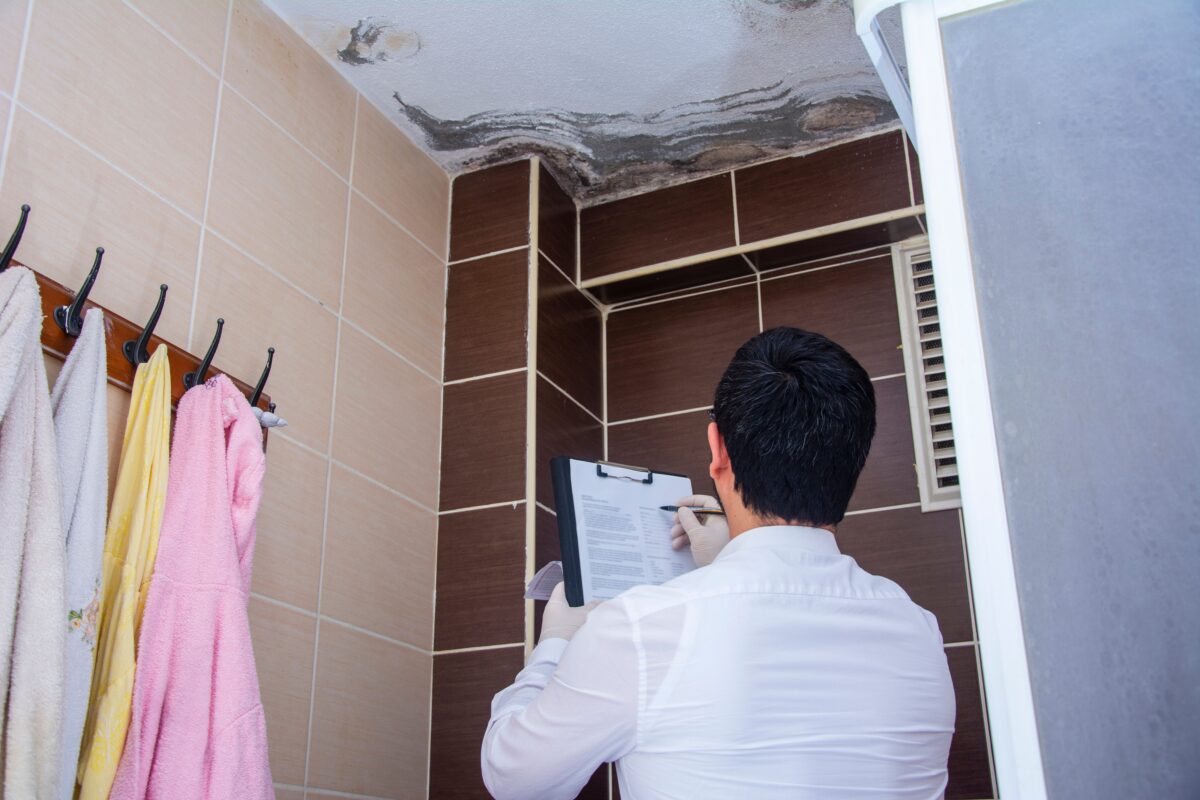
This is exactly why a professional damp surveys appointment is worth the money before any treatment is booked. Expect to pay in the region of €150–€350, but a proper survey can easily prevent an unnecessary DPC installation. A chartered surveyor (look for accreditation from a recognised body such as the Society of Chartered Surveyors Ireland) or an experienced damp specialist should use moisture meters, inspect any existing damp proof course, check the cavity wall, and assess external ground levels before reaching a conclusion.
It’s a genuinely common scenario: a homeowner is quoted thousands for “rising damp” treatment, only for a proper survey to reveal a leaking pipe or a blocked gutter as the real culprit — a fix costing a few hundred euro once correctly identified, rather than the thousands originally budgeted for.
Ways to Control Costs When Fixing Damp in Your Home
Homeowners can influence the total cost of fixing rising damp considerably through planning, preparation, and choosing the right level of professional help.
- Get at least three itemised quotes from reputable damp specialists and compare exactly what’s included — DPC, replastering, skirtings, waste removal, and guarantees.
- Consider handling non-specialist tasks yourself, such as removing old wallpaper or basic decorating, once the specialist damp work is finished, to save on labour costs.
- Ask about guarantees on chemical DPC and membrane systems (commonly 20–30 years), and clarify whether quoted prices include VAT and any scaffolding or access equipment.
- Check references, insurance and trade association membership before appointing any contractor.
Financing options, staging the work (treating one elevation or room at a time), or negotiating with the seller when buying a damp-affected property can all help manage cash flow too. Early action is itself a form of saving: repairing a small 2–3 metre area now might cost under €1,000, whereas leaving the same problem can lead to multi-room timber decay running into many thousands of euro.
FAQ
Is it worth buying a house with rising damp if repairs might cost thousands?
It can still represent good value if the purchase price properly reflects the cost of repair — buyers should commission an independent damp survey and obtain written quotes before agreeing a final price. The estimated damp-proofing cost, often somewhere between €3,000 and €10,000 depending on severity, can be used as a genuine negotiation point, either to reduce the offer or to request that urgent work be completed before the sale closes. Lenders may also insist on proof of a treatment plan or guarantee, so buyers should factor in both the cost and the likely timescale when deciding whether to proceed.
Does home insurance ever cover the cost of fixing rising damp?
Standard home insurance in Ireland rarely covers rising damp, because it’s classed as long-term wear and tear or a maintenance issue rather than a sudden insured event. Policies may cover a related sudden issue — a burst pipe under the floor causing damp, for example — but not the underlying failure of an old or missing damp proof course itself. It’s worth checking your policy documents and, if in doubt, speaking to your insurer before starting any work, since pre-existing damp is almost never funded retrospectively.
How long after damp proofing before I can replaster and decorate?
With a chemical DPC, most contractors remove and replace plaster as part of the same system, using breathable renovating renders that allow the wall to keep drying while still protecting the new finish. Walls typically take several weeks to several months to fully dry out — roughly one month per 25 mm of wall thickness is a common rule of thumb — though specialist plasters and breathable paints can allow earlier decoration than a standard finish would. It’s best to avoid vinyl wallpapers and non-breathable paints for at least the first year, to avoid trapping any residual moisture behind the new decoration.
Can I fix rising damp myself with DIY products to save money?
Small, clearly identified problems — minor bridging issues such as raised soil against a wall, for instance — can sometimes be improved with DIY DPC cream kits, better drainage, and redecoration. Without a correct diagnosis and proper replastering, though, DIY chemical injection often fails, leading to more expense later and potentially invalidating any guarantee on future professional work. Full-height or multi-room rising damp, or anything affecting structural timber, should always be assessed — and at the very least planned — by a professional damp specialist or surveyor.
How can I reduce the risk of rising damp coming back after paying for treatment?
- Keep external ground levels at least 150 mm below the damp proof course.
- Maintain gutters, downpipes and drains to stop extra water soaking into the base of walls.
- Make sure under-floor ventilation is clear and air bricks are never blocked.
- Avoid bridging the DPC with new render, insulation, or internal finishes laid too high.
Combining good external maintenance with a properly installed damp proof course and a suitable plaster system gives you the best long-term value from whatever you initially spend on damp-proofing.
Book your survey → DampDoctor Dublin Damp Solution
Read next in this series: What Happens If Rising Damp Is Left Untreated? What Happens If You Ignore Rising Damp? For step-by-step guidance on identifying and treating rising damp specifically, see our companion guide: A Comprehensive Guide to Damp Cost, Insurance & Responsibility
