


Key Takeaways
Left untreated, rising damp damages building materials, increases long-term repair costs, and raises the risk of health problems linked to mould growth — and the only lasting answer is proper rising damp treatment, not a wait-and-see approach. Booking one of our damp surveys early is the cheapest, most reliable way to confirm the cause and stop the cycle before it escalates.
- Both internal and external walls are affected over time, and visible damage often doesn’t appear until months — or even years — after the problem first starts.
- Older buildings without an effective damp proof course are especially vulnerable if rising damp is left to develop unchecked.
- A proper damp survey and targeted damp proofing are far cheaper and less disruptive than waiting until structural repairs are needed.
- Ignoring early signs of damp can also affect mortgage approvals, property value, and a landlord’s legal obligations to tenants.
What Is Rising Damp – And Why Is Ignoring It So Risky?
Rising damp occurs when ground moisture travels upward through porous building materials — brick, stone, mortar and plaster — that are in direct contact with the ground, drawn up by capillary action until evaporation and the upward pull of moisture reach a balance, usually around a metre above floor level.
It’s worth understanding the difference between rising damp, penetrating damp and condensation, because misdiagnosing one as another is a common reason damp problems are left untreated for far too long: rising damp comes from the ground, penetrating damp comes through an external defect such as a cracked wall or leaking gutter, and condensation comes from moisture in the air rather than the building fabric itself.
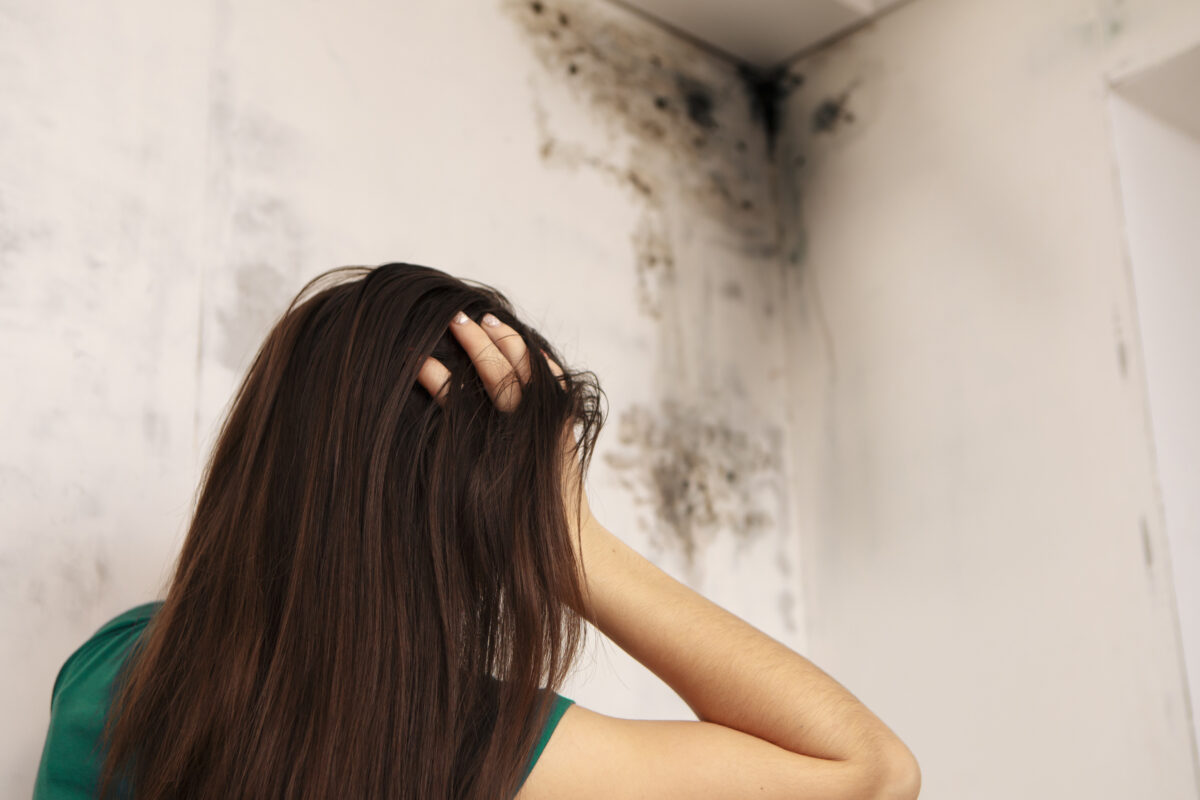
Typical early signs on both internal and external walls include tide marks reaching up to around a metre, peeling or blistering paint, white salt deposits, and a persistent musty odour. It’s fair to say some experts feel rising damp is over-diagnosed relative to other causes — but when it genuinely is present and left untreated, it can cause serious damage over the course of just a few years. Doing nothing is always the worst option; early, accurate diagnosis is what keeps both cost and disruption to a minimum.
What Happens If You Ignore Rising Damp for Months, Years, or Longer?
The consequences of ignored rising damp unfold in stages rather than all at once, moving gradually from cosmetic damage toward structural and health-related issues the longer the underlying moisture is left unaddressed.
In broad terms: within 3–6 months you’ll typically see the first cosmetic signs — tide marks, flaking paint, a faint musty smell. Between 1–3 years, those small patches tend to spread, plaster starts to fail, and skirting boards begin to soften. Left for 5 years or more, the damage can progress to genuine structural concerns involving timber and masonry. The exact pace depends on factors such as the local groundwater level, how the wall was originally constructed, and whether the wall is left able to breathe or has been sealed with an impermeable coating that traps moisture inside.
The sections below break this down in more detail — covering damage to finishes and décor, hidden timber decay, structural problems, health impacts, and the financial costs — so you can see exactly why delaying treatment tends to be the most expensive option of all.
Visible Damage to Internal Walls, Floors, and Décor
Aesthetic damage is usually the first thing homeowners notice when rising damp is left untreated. Paint typically blisters, flakes and discolours along the lower portion of internal walls, particularly on ground-floor rooms next to external walls.
As moisture evaporates from the wall surface, it leaves behind groundwater salts, producing the classic tide mark, bubbling plaster, and white, powdery efflorescence that many homeowners associate with rising damp. The damage doesn’t stop at the wall itself — skirting boards lift or become stained, laminate flooring warps, carpets are damaged by rising moisture, and plaster eventually crumbles to the point where it needs full replacement rather than a simple patch repair.
Repainting or re-papering over the problem without addressing the moisture source only hides it for a season at best, and in most cases makes the eventual repair more extensive — and more expensive — once it can no longer be ignored.
Hidden Structural Damage: Timber, Brickwork, and Building Materials
The most expensive consequences of ignoring rising damp are usually the ones you can’t see at first. Constant moisture at the base of a wall soaks into joist ends, wall plates and skirting, creating exactly the conditions that wet rot — and in more serious cases, dry rot — need to take hold.
Both forms of rot are caused by fungi that break down the structural strength of timber, leading to bouncy floors, sagging stairs, and doors that gradually stop closing properly as the frames around them shift and decay. At the same time, saturated bricks and mortar in both external and internal loadbearing walls can begin to crumble and lose strength, increasing the risk of penetrating damp finding its way in from outside on top of the existing rising damp problem.
Older buildings constructed with softer brick, stone or lime mortar are particularly vulnerable to this kind of damage, and well-intentioned but inappropriate repairs — sealing exterior walls with modern cement render or waterproof paint — can actually trap moisture inside the wall and accelerate the decay rather than solve it. By this stage, straightforward chemical-injection rising damp treatment alone is rarely enough; the structural timber and masonry usually need attention as part of the same project.
Health Risks: Mould Growth, Air Quality, and Everyday Living
Damp living conditions are well known to be linked with respiratory problems and allergies, and ignored rising damp very often leads to persistent mould growth as a result. Mould tends to colonise the cold, damp areas of internal walls near floor level, behind furniture, and in corners, producing a musty odour and visible black, green or white patches.
Prolonged exposure to mould spores can aggravate asthma, trigger coughing, and affect vulnerable groups most noticeably — children, older people, and anyone with an existing health condition. Chronic damp also raises indoor humidity, which makes a home feel colder than it actually is, encourages dust mites, and often pushes occupants to overheat the property just to feel comfortable. Simply cleaning mould off the surface without resolving the underlying damp source will only ever give temporary relief; the mould will return until the actual cause is treated.
Financial and Legal Consequences of Leaving Rising Damp Untreated
Ignored damp is closely linked with rising long-term costs, reduced property value, and — for landlords — possible legal duties that go beyond simple maintenance.
Surveyors routinely flag damp issues in mortgage valuation and homebuyer reports, and visible rising damp can lead to a property being down-valued, or to mortgage funds being retained by the lender until a professional damp surveys report is provided confirming the issue has been properly assessed.
Repair costs escalate considerably the longer rising damp is left untreated — moving from simple replastering and localised damp proofing to extensive timber replacement and structural repairs that can run into many thousands of euro. For landlords, there are also clear responsibilities under Irish housing standards regulations and residential tenancies law to keep a rented property free from damp caused by disrepair, and ignoring a tenant’s reported damp issue can expose a landlord to enforcement action or a dispute through the Residential Tenancies Board (RTB).
On the other hand, documented damp treatment and ongoing maintenance records can genuinely protect owners — they’re useful during a sale, when letting a property, for insurance claims, and in the event of any future dispute over responsibility.
Why Older Buildings and “Non-Breathable” Repairs Make Ignoring Damp Even Worse
Older buildings behave very differently from modern cavity-wall homes, and inappropriate repairs can turn a minor damp issue into a much bigger problem if the wrong approach is left in place for years. Many properties built before 1900 either lack a modern damp proof course altogether, or have one that is incomplete, bridged by raised external ground levels, or hidden behind later alterations to the building.
Solid walls built using lime mortar and softer brick or stone rely on being able to breathe — moisture needs to be able to evaporate out through the wall surface. When those walls are covered with cement render, gypsum plaster, or modern waterproof coatings, moisture instead becomes trapped at the base of the wall. The knock-on effect is that salts build up faster, plaster blows more quickly, and decay progresses behind finishes that look perfectly sound from the outside.
Owners of older properties are generally best served by seeking advice from a surveyor experienced specifically in heritage construction, rather than relying solely on standard chemical damp-proofing solutions designed primarily for modern cavity walls.
How to Stop Rising Damp Becoming a Major Problem
Doing nothing is never really an option — the goal should always be accurate diagnosis followed by appropriate treatment, not guesswork. Arrange a thorough damp survey that examines both internal and external walls, checks external ground levels, ventilation and guttering, and assesses whether an existing damp proof course is present and still effective.
From there, treatment may involve fixing external defects such as leaking gutters or a path laid too high, installing or repairing a damp proof course, and finishing with a suitable breathable replastering system rather than standard gypsum plaster. Removing contaminated plaster and salts and replastering to the correct specification is essential for long-term success — simply injecting a damp-proofing product while leaving the old, salt-contaminated finishes in place rarely solves the problem for good.
The best time to act is as soon as tide marks, salt deposits, or a persistent damp patch low on a wall are first noticed. At that stage, treatment is at its most cost-effective, and the disruption involved in putting things right is at its lowest.
FAQ
How quickly can rising damp cause serious damage if it is left untreated?
Cosmetic signs such as peeling paint and salt marks can appear within just a few months, but more serious problems like timber decay and crumbling mortar usually develop over several seasons of wet weather rather than overnight. In many homes, noticeable structural or timber problems emerge within roughly 3–5 years if rising damp is ignored and moisture levels stay consistently high. The exact pace depends on the wall construction, local ground conditions, and whether the walls are sealed or left able to breathe.
Can I just paint over damp patches and wait to see if they get worse?
Painting over damp patches without finding and fixing the underlying cause is only ever a very short-term cosmetic cover-up. Most paints — particularly gloss finishes and vinyl emulsions — are relatively impermeable, and can trap moisture inside the wall, often making salt deposits and blistering worse over time rather than better. Any repainting should only really happen after a proper damp diagnosis, the necessary repairs, and enough time for the wall to dry out fully.
Is a chemical damp proof course always necessary for rising damp?
A chemical damp proof course is one common and effective solution, but it should only be used once investigations confirm genuine rising damp rather than condensation or penetrating damp masquerading as the same problem. In some older buildings, improving external drainage, lowering raised ground levels, and using breathable internal finishes may be more appropriate than heavy chemical treatment alone. It’s always worth seeking advice from a qualified damp surveyor who has experience with the specific type and age of your property.
Does ignoring rising damp always lead to dry rot?
Not every damp property goes on to develop dry rot, but sustained damp conditions in timber greatly increase the risk of both wet rot and, in some cases, dry rot. Dry rot specifically needs sustained moisture, poor ventilation, and a food source in the timber to establish itself — but once it does take hold, it can spread surprisingly rapidly. Avoiding prolonged dampness around joist ends, skirting boards, and floor structures is the single best prevention strategy available.
Will a basic homebuyer survey pick up rising damp that has been ignored for years?
A standard homebuyer survey may flag visible damp symptoms, but it will often simply recommend a specialist damp survey for a proper, accurate diagnosis rather than confirming the cause itself. Older buildings, and properties with a complex damp history, typically need more detailed moisture profiling and inspection than a quick visual check can realistically provide. Buyers considering a property where damp has clearly been present for some time should budget for an independent damp survey before committing to the purchase.
