






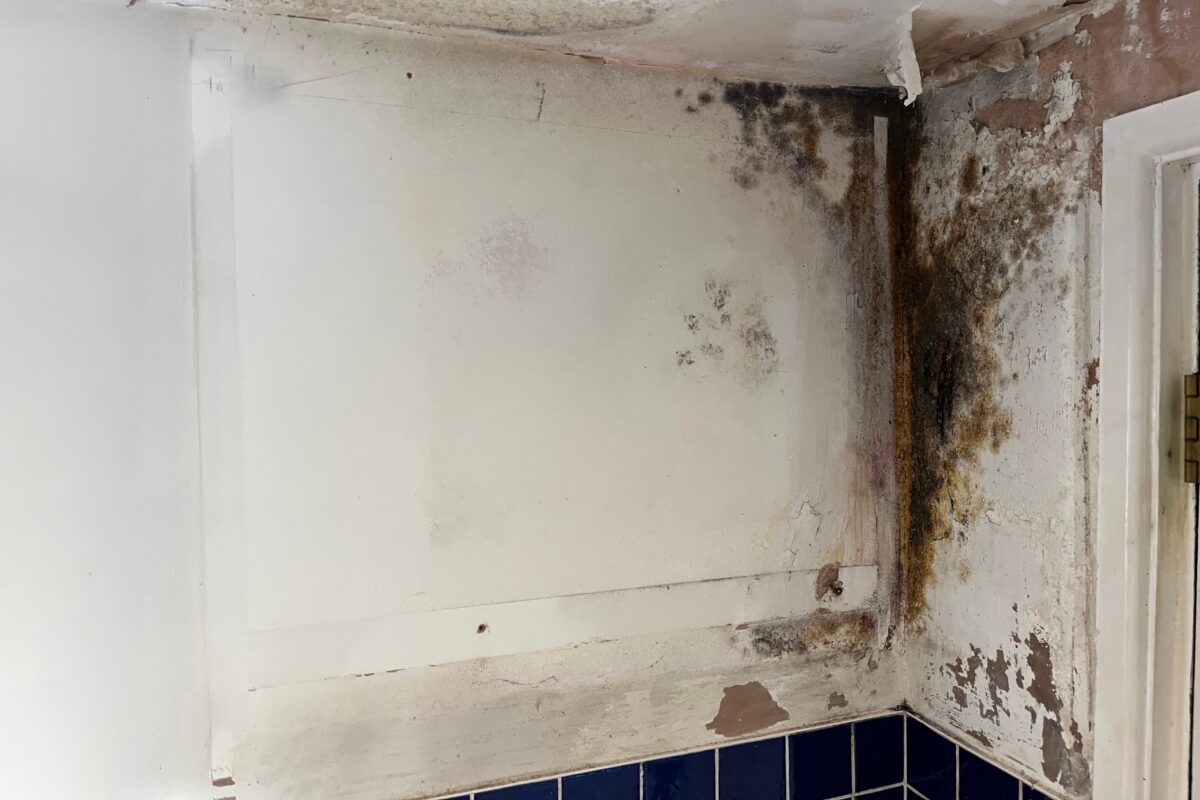
Left untreated, rising damp doesn’t stay still — it progressively damages walls, timber, décor, your health and your property’s value, often within just a few years, and the only lasting fix is proper rising damp treatment, not a quick coat of paint. Booking a professional damp surveys appointment early is the fastest way to confirm what you’re dealing with and stop the damage before it spreads further.
- Ignoring rising damp can lead to structural problems in skirting boards, floor joists and brickwork, particularly in homes built before 1920 without a modern damp proof course.
- Persistent damp, mould and a musty odour increase the risk of respiratory issues and make indoor air less healthy the longer they go unchecked.
- The longer damp walls are left, the more extensive and expensive repairs become — a problem that might only need a simple damp-proofing cream injection early on can turn into full replastering and timber replacement later.
- Confirming the issue early through a professional inspection gives you the cheapest and most effective path to long-term damp prevention.
Introduction: Why Untreated Rising Damp Is So Serious
Rising damp happens when groundwater moves up through a wall by capillary action, travelling through porous brick, stone, mortar and plaster until it reaches a point where evaporation and the upward pull of moisture balance out — typically around a metre above floor level. This article focuses specifically on what happens if rising damp is identified, or suspected, and then simply left alone.
Rising damp is not the only form of damp that affects Irish homes — penetrating damp and condensation are both common too — but all three share one thing in common: every type gets worse, not better, the longer it is ignored.
Many Irish homes built before around 1950 either lack a modern damp proof course altogether or have one that has failed or been bridged over time, which makes them especially vulnerable. Below, we walk through the early warning signs, the short-term effects, the long-term structural damage, the health risks, and the impact on cost and property value — and why a timely damp survey and damp proof course are so important.
What Happens If Rising Damp Is Left Untreated? (Fast Overview)
If rising damp is left untreated, it steadily destroys décor, timber and masonry, while creating unhealthy living conditions and pushing up long-term repair bills.
In practical terms, that usually means:
- Ruined décor — peeling paint, blistering wallpaper and plaster that won’t hold a finish.
- Mould growth and a persistent, musty damp odour.
- Timber decay in skirting boards, door frames and eventually floor joists.
- Weakened brickwork and crumbling or hollow-sounding render.
- Higher heating bills, since damp walls conduct heat away far more efficiently than dry ones.
- Reduced property value and a harder time selling or letting the home.
Visible damage can escalate from small tide marks at the base of an affected wall to widespread plaster failure and floor timber rot within roughly 3–10 years if the underlying damp is never addressed. Each of these consequences is broken down in more detail in the sections below, so feel free to skim ahead to whichever stage applies to you.
How Rising Damp Starts and Spreads in a Property
Groundwater is drawn upward through porous building materials by capillary action, typically rising to a height of about 1–1.5 metres before evaporation catches up with it. In a modern building, a damp proof course (DPC) — usually installed around 150 mm above external ground level — and a damp proof membrane (DPM) under solid floors are designed to block this process entirely. Older Victorian properties often used a slate DPC, while later homes typically use bitumen or plastic.
Rising damp tends to develop where a DPC is missing altogether (common in homes built before the early 1900s), where it has been bridged by raised external ground levels, a path or render laid too high, or where internal alterations have compromised the original damp proofing. Problems often start subtly at skirting board level — salts in the plaster, slightly blown areas, and patches that feel cold and damp to the touch — and many homeowners initially dismiss these as nothing more than old plaster or condensation. Proper diagnosis should combine a visual inspection with moisture meter readings and, where needed, salt analysis, ideally carried out as part of a professional damp survey rather than relying on guesswork.
Early Visible Effects of Untreated Rising Damp
In the first year or two, untreated rising damp usually shows up as cosmetic damage that is easy to dismiss. Typical signs on internal walls include tide marks reaching up to around a metre, flaking or bubbling paint, peeling wallpaper, white salt crystals (efflorescence), and skirting boards that have started to crumble or feel soft.
Those salts are carried up in the groundwater and deposited in the plaster as it dries. Once present, they continue to draw moisture from the air, which keeps the wall feeling damp even during drier weather — one reason rising damp rarely improves on its own. Outside, early signs often include discoloured or powdery brickwork, deteriorating pointing close to ground level, and green or black algae on the lower courses of brick or stone.
This early stage is also the best — and cheapest — time to act. Treated now, with an appropriate damp proof course and salt-resistant replastering, the total repair cost and disruption are far lower than if the problem is left to develop further.
Medium-Term Damage: Decor, Woodwork and Everyday Comfort
After several years of neglect, rising damp tends to move from superficial cosmetic issues to problems that affect daily comfort and ongoing maintenance costs. Décor suffers most visibly: repainting or re-papering fails within months, plaster refuses to dry properly, and discoloured patches keep reappearing on the same areas of wall no matter how often they are covered up.
Woodwork is affected too — skirting boards swell or rot, and door frames warp to the point that internal doors stick or no longer close properly after prolonged contact with damp surfaces. Inside the room, the damp conditions encourage dust mites and mould spores, producing a constant musty odour that resists cleaning products and air fresheners alike. Rooms affected by chronic damp also feel noticeably colder, since wet walls conduct heat away much faster than dry ones, prompting occupants to turn up the heating and quietly pushing up energy bills.
Long-Term Structural Consequences of Ignoring Rising Damp
Left untreated for somewhere in the region of 5–15 years, rising damp can move beyond cosmetic damage to threaten the structural integrity of timber and masonry. Persistent moisture leads to wet rot in floor joists and other embedded timbers, particularly where a suspended timber floor meets a damp wall, and this can eventually cause floors to feel bouncy or visibly sag.
Masonry deteriorates too: bricks can spall or crumble, render becomes blown or hollow-sounding when tapped, and failing mortar joints raise the risk of penetrating damp and frost damage on top of the existing rising damp problem. In severe cases, salt contamination is so deep that the existing plaster must be stripped back to at least 300 mm above the highest visible damp line to prevent the problem from simply recurring, which significantly increases the scope — and cost — of the repair.
A property is very unlikely to collapse from rising damp alone, but by this stage, straightforward chemical-injection rising damp treatment on its own is rarely enough. The combination of timber decay, wet rot and compromised masonry usually means the work needs to combine a proper damp proof course with more substantial remedial repairs, potentially including partial floor replacement and extensive repointing.
Health Impacts of Living with Untreated Rising Damp
Damp and mould are well established as triggers for respiratory issues, including asthma, chronic coughs and increased susceptibility to infections — a risk that is particularly pronounced for children, older adults and anyone with existing lung or immune conditions. Rising damp creates persistently humid, cool wall surfaces that are ideal conditions for mould to colonise plaster, wallpaper and timber, releasing spores and mycotoxins into the air you breathe every day.
Homeowners living with long-term damp commonly report wheezing, worsening asthma control, sinus problems, irritated eyes and skin complaints — and the musty smell itself is a sign of genuinely poor indoor air quality, not just an unpleasant odour. There is a mental health dimension too: prolonged exposure to damp, mould and musty smells is linked with higher levels of stress and anxiety, and many people feel embarrassed about inviting visitors into a home with visible damp problems. Real improvement usually requires both medical advice for any symptoms and addressing the root cause — installing a proper damp proof course and improving ventilation — rather than simply cleaning visible mould off the surface.
Financial Costs and Impact on Property Value
Ignoring rising damp tends to multiply the eventual cost of fixing it. What might have started as a targeted damp-proofing and replastering project can grow into floor joist replacement, redecoration across multiple rooms, and external brick repairs once the problem has been left for long enough.
As a general guide, minor rising damp treated early might involve nothing more than a chemical damp proof course and limited plaster replacement, whereas long-term neglect can require whole-room replastering, new skirting boards throughout, and specialist timber treatment on top. Irish surveyors and mortgage lenders routinely flag damp issues in valuation and homebuyer reports, which can lead to price renegotiation, funds being held back (retained) until treatment is completed, or in some cases a mortgage being refused outright.
Visible damp, mould and a strong musty odour also make a property noticeably harder to let, tend to increase tenant complaints, and can expose landlords to legal action if the issue is not addressed in good time. In almost every case, investing in professional damp treatment and prevention early works out far cheaper than dealing with the accumulated consequences later.
Why Proper Diagnosis and a Damp Survey Matter
Not every damp patch is rising damp — misdiagnosing condensation or a plumbing leak as rising damp can waste considerable money on the wrong treatment entirely. A professional damp survey should include an inspection of both internal and external walls, a check for a visible (and effective) damp proof course, moisture profiling with an electrical moisture meter, and an assessment of ventilation and drainage around the property.
In some cases, salt analysis for nitrates and chlorides, or core samples, help confirm whether moisture really is rising from the ground rather than penetrating from rainfall or a hidden leak. This is exactly why a professional damp surveys appointment should always come before committing to major work — be wary of one-size-fits-all solutions, and seek independent, qualified advice first. A good survey will also flag complementary measures, such as improving external drainage, lowering external ground levels, or adding a damp proof membrane to floors where it is needed.
How Rising Damp Is Typically Treated Once Identified
This section is a brief overview rather than a full installation guide — most of this work should be carried out by experienced professionals. Common rising damp treatment methods include installing a remedial damp proof course using a specialist cream or injected rods, fitting a physical damp proof membrane in more severe cases, and replacing any salt-contaminated plaster with a suitable salt-resistant alternative.
Older concrete floors that were laid without a damp proof membrane may also need a surface DPM, or more extensive floor works, if moisture is coming up from below rather than through the walls. Once the source has been blocked, affected walls need to be allowed to dry out gradually — often over many months — with good ventilation and carefully controlled heating to avoid encouraging new mould growth while the structure dries. Long-term prevention then comes down to routine maintenance: keeping gutters and downpipes clear, making sure external ground levels sit at least 150 mm below the damp proof course, and keeping an eye on any previously affected walls for signs of damp returning.
When You Should Act — Practical Triggers and Timelines
Don’t wait until plaster is falling off the wall or a floor starts to feel unsafe before seeking help. Practical triggers to call a damp specialist include visible tide marks around skirting board level, persistent damp patches that never seem to fully dry, recurring mould appearing in the same spot on a lower wall, or skirting boards that have become soft or visibly rotten in one or more rooms.
Landlords and prospective buyers should arrange a damp survey as soon as an independent surveyor or a tenant flags a possible rising damp issue, rather than delaying until the property is due to be re-let or sold. Small, localised problems caught within the first year or two of appearing are almost always far cheaper and easier to treat than widespread, long-standing damp. The reassuring news is that the great majority of rising damp problems can be successfully controlled with the right combination of damp proofing and repairs — provided they are not left to run on indefinitely.
FAQ
How long can I safely leave rising damp before it becomes serious?
There is no fixed “safe” period, but in many homes visible damage accelerates noticeably after 2–5 years of neglect, moving from minor cosmetic issues toward timber decay and the need for extensive replastering. Any confirmed rising damp should be investigated and scheduled for treatment within months, not years, to keep both long-term costs and health risks in check. It’s worth arranging a damp survey as soon as clear signs — tide marks, salt deposits, rotten skirting boards — are noticed, rather than waiting to see whether they simply go away on their own.
Can I just paint over rising damp with damp proof paint?
Painting over rising damp is only a cosmetic, short-lived cover-up, and it does nothing to stop moisture rising from the ground. Damp proof paint can play a useful supporting role in a wider damp prevention plan — for instance, helping manage minor condensation — but it must never be used as a substitute for a proper damp proof course or damp proof membrane where genuine rising damp is present. Covering a damp wall without treating the underlying cause can actually trap moisture and salts behind the new finish, leading to faster blistering and failure than if nothing had been done at all.
Does every old house without a visible DPC have rising damp?
No. Many properties built before 1900 work perfectly well using traditional breathable materials and good ventilation, and do not automatically suffer from rising damp simply because a modern damp proof course isn’t obvious. Diagnosis should always be based on measured moisture patterns, visible signs and salt testing — not on the age of the property alone. Owners of older homes who suspect a damp issue are best served by seeking advice from professionals experienced specifically in period buildings.
Will a dehumidifier fix rising damp on its own?
A dehumidifier can reduce airborne moisture, help a wall dry out a little faster, and make a room feel more comfortable in the meantime — but it does nothing to stop groundwater travelling up through the masonry itself. It should be treated as a support tool to use after proper damp proofing measures have been installed, not as a standalone cure for rising damp. Pairing a dehumidifier with good ventilation and steady heating is particularly useful after replastering, while the structure gradually dries out.
Is it worth buying a house that has rising damp?
A property with rising damp isn’t automatically a bad purchase, but the cost and disruption of the remedial work needs to be factored into the price and your renovation plans from the outset. It’s worth obtaining a detailed damp survey and at least one written quotation for treatment and any associated replastering before committing to buy. Use those findings to negotiate with the seller where appropriate, budget realistically for the repairs, and make sure ongoing damp prevention — good drainage and a properly maintained damp proof course — is part of the plan from day one.
Book a Damp Survey for Your Dublin Apartment
DampDoctor provides professional damp surveys across Dublin covering modern apartment buildings of all types and eras. Every Dampdoctor survey includes our in-depth testing procedures, developed through decades of industry experience and grounded in proven surveying and engineering methodologies. This comprehensive approach allows us to accurately diagnose the root cause of damp and mould issues, providing homeowners and property professionals with clear, reliable findings and a detailed scope of works tailored to deliver long-term solutions.
Book your survey → DampDoctor Dublin Damp Solution
Read next in this series: – Damp Problems in Dublin: Why They’re So Common — Pillar Guide – Damp Problems by Dublin Building Era — Hub Page – Damp in Victorian and Edwardian Buildings in Dublin – Damp in 1930s–1950s Dublin Houses – Damp in Modern Dublin Apartments
