






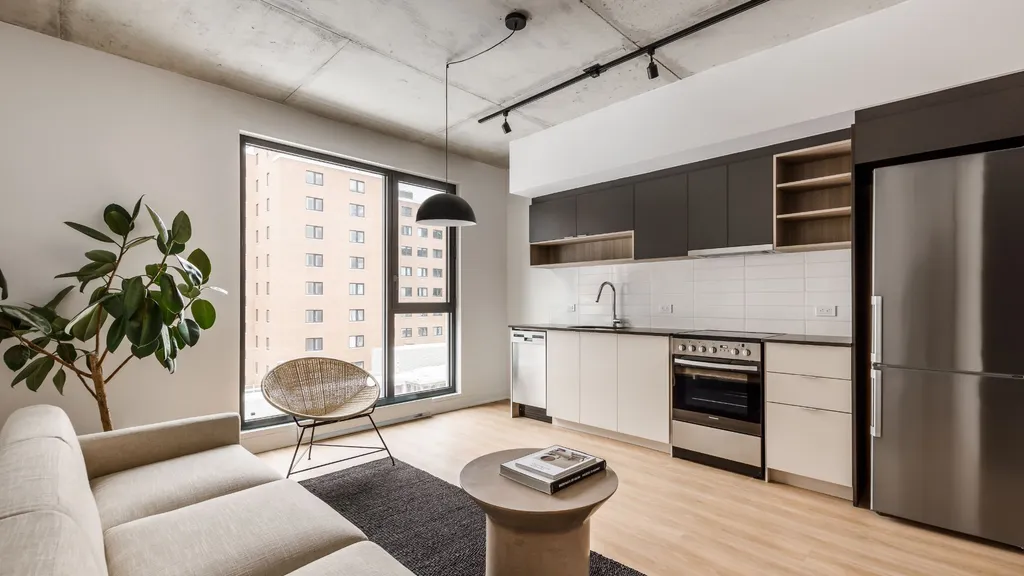
Modern Dublin apartments — particularly those built during and after the Celtic Tiger era — are a very different type of building from the Victorian terraces and 1930s semis that make up much of the city’s housing stock. They are designed to be airtight, thermally efficient, and low-maintenance. When they work as intended, they do. When they don’t, the damp problems that result can be persistent, damaging, and genuinely difficult to diagnose without professional assessment.
Mould on bedroom walls. Condensation streaming down windows in winter. Damp patches appearing around window frames or on ceilings below a flat roof or balcony. These are among the most common complaints from Dublin apartment residents.
How Modern Apartments Manage — and Sometimes Fail to Manage — Moisture
Modern apartments are built to a fundamentally different philosophy from older Dublin housing. Where a Victorian terrace relied on breathable materials and background ventilation, a modern apartment is designed to be as airtight as possible, with mechanical ventilation systems controlling air quality and moisture removal.
This works well when the mechanical ventilation system is correctly specified, properly installed, and regularly maintained — and when the building envelope is free of thermal bridges and detailing defects. In Dublin’s substantial stock of apartments built rapidly during the 2000s building boom, construction quality is variable.
The Most Common Damp Problems in Modern Dublin Apartments
1. Condensation and Mould from Inadequate Ventilation
This is by far the most common damp complaint in modern Dublin apartments. Modern apartments generate significant moisture from daily living — cooking, showering, breathing, drying clothes. In an airtight building, this moisture needs to be actively removed by the ventilation system. When that system is inadequate, poorly maintained, or has never been properly commissioned, indoor humidity rises and moisture deposits on the coldest surfaces.
Mould typically appears first at:
- Internal corners of external walls, particularly in bedrooms
- Window reveals and the wall surface adjacent to window frames
- Behind wardrobes and furniture positioned against external walls
- Bathroom ceilings and walls beyond the immediate shower area
- The coldest room in the apartment, usually a north-facing bedroom
A professional survey will test for moisture levels, assess ventilation provision and performance, and distinguish condensation from genuine water ingress.
2. Thermal Bridging
Common thermal bridge locations in Dublin apartments include:
- Balcony connections — where a concrete balcony slab connects directly to the internal floor structure
- Window and door frames — particularly aluminium frames
- Floor-to-wall junctions — where the structural floor meets the external wall
- Columns and structural elements that penetrate the insulation layer
- Parapet details on flat roof buildings
Thermal bridging condensation in apartments is one of the most common misdiagnosed damp problems a professional surveyor encounters.
3. Flat Roof and Balcony Waterproofing Failures
When flat roof or balcony waterproofing fails, water presents as damp patches or staining on ceilings in the apartment below. Signs include:
- Damp patches or staining on ceilings, particularly directly below a flat roof or balcony
- Staining that worsens after heavy or prolonged rainfall
- Blistering or bubbling of ceiling paint or plaster
4. Window and Junction Installation Defects
Gaps or failures in the sealing between window frames and surrounding wall structure can allow wind-driven rain to track into the wall cavity. Other junction defects include failed seals around service penetrations and poorly detailed roof-to-wall interfaces.
5. Water Ingress from Other Apartments
Water from a leak in an apartment above — a failed shower tray, a burst pipe, an overflowing bath — can track through floor structures and appear as damp in the unit below. This requires a different investigation approach entirely.
Why Mould in a Modern Apartment Is Never Just a Cleaning Problem
Persistent mould in an apartment is a sign that moisture is being generated or admitted faster than it is being removed. That imbalance will continue until the cause is correctly identified and addressed. Mould also carries genuine health risks — prolonged exposure to indoor mould spores is associated with respiratory irritation and worsening of asthma.
Book a Damp Survey for Your Dublin Apartment
DampDoctor provides professional damp surveys across Dublin covering modern apartment buildings of all types and eras. Every Dampdoctor survey includes our in-depth testing procedures, developed through decades of industry experience and grounded in proven surveying and engineering methodologies. This comprehensive approach allows us to accurately diagnose the root cause of damp and mould issues, providing homeowners and property professionals with clear, reliable findings and a detailed scope of works tailored to deliver long-term solutions.
Book your survey → DampDoctor Dublin Damp Solution
Read next in this series: – Damp Problems in Dublin: Why They’re So Common — Pillar Guide – Damp Problems by Dublin Building Era — Hub Page – Damp in Victorian and Edwardian Buildings in Dublin – Damp in 1930s–1950s Dublin Houses – Damp in Modern Dublin Apartments
